brown-deer-on-brown-soil
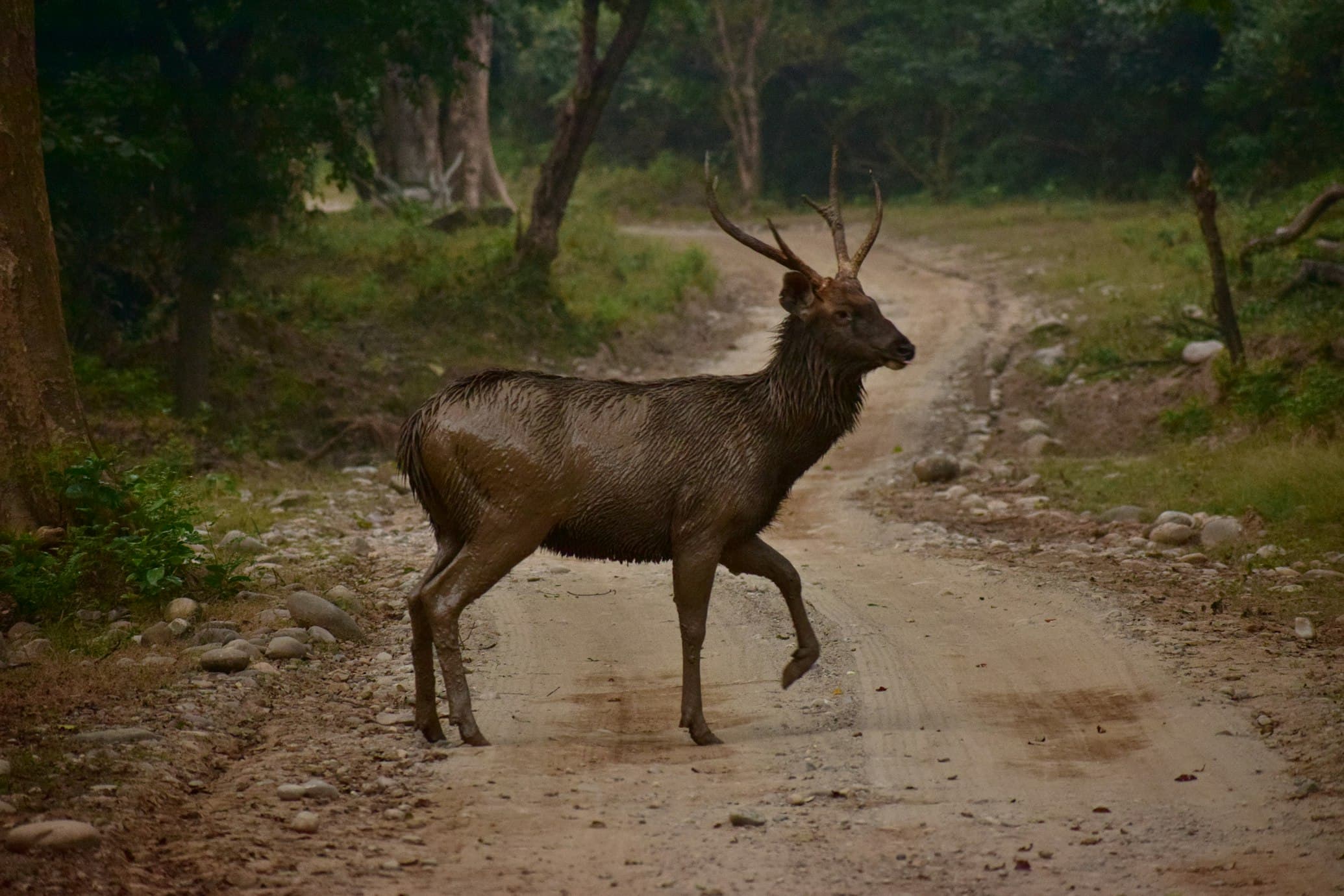
The sambar is one of the largest deer species in Asia and the primary prey of the tiger across much of India. A robust, dark-coated deer with large ears and shaggy mane, the sambar is well adapted to dense forest environments and is an exceptionally strong swimmer. It is highly vigilant and uses a distinctive alarm call — a loud, resonant 'dhank' — to warn other animals of approaching predators.
Average Length
2.4 m
Average Weight
270 kg
Lifespan
12-20 years
Top Speed
60 km/h
WildAtlas insight
Medium elusiveness
Spotting this species in the wild may take some patience, based on its typical traits and behavior.
Why this grade?
These are some of the biological and behavioral factors, among others, that WildAtlas considers when deriving this species level grade.
- Animal group
- Mammal
- Diet
- Herbivore
- Activity
- Crepuscular
- Social behavior
- Solitary
This proprietary WildAtlas grade describes the animal in general and stays the same across parks. It is separate from park level insights, which depend on local conditions and data.
Quick Facts
Sambar is the largest deer in India and the preferred prey of tigers.
Stags produce a distinctive alarm call — a loud bark — to warn of predators.
They are strong swimmers and regularly enter lakes and rivers to feed on aquatic plants.
Tiger tracking in most Indian parks relies heavily on following sambar alarm calls.
Habitat & Range
Habitats
Regions
Behavior & Reproduction
Activity Pattern
Crepuscular
Social Structure
Solitary
Gestation Period
8 months
Litter Size
1
Predators
Tigers, Leopards, Dholes, Crocodiles
Found in Parks
Where should you look for sambar deer? Explore each park's biome, habitat, and local conditions. Population, density, and sighting trends will shape future park specific insights.
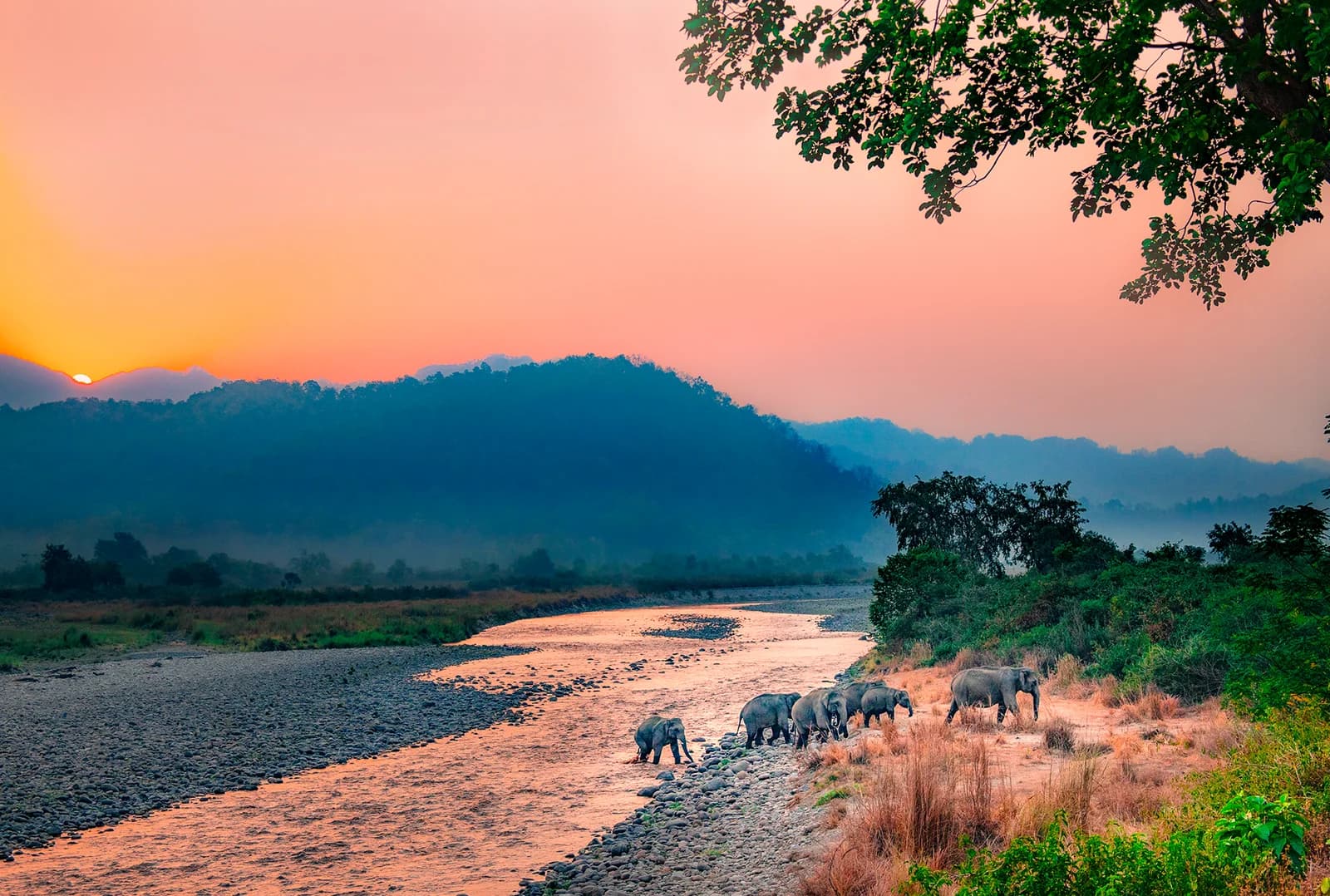
Jim Corbett National Park
Uttarakhand
Explore park →
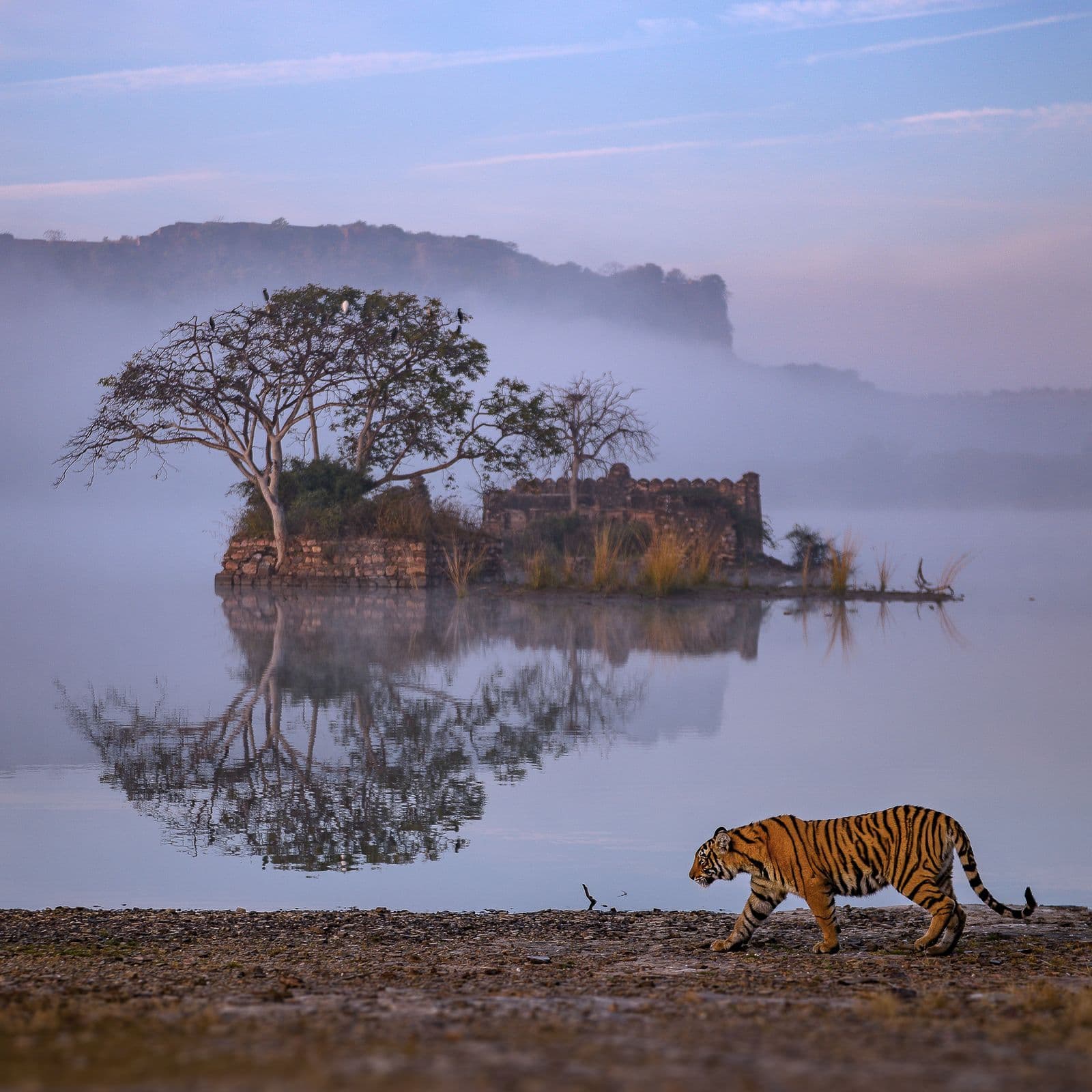
Ranthambore National Park
Rajasthan
Explore park →
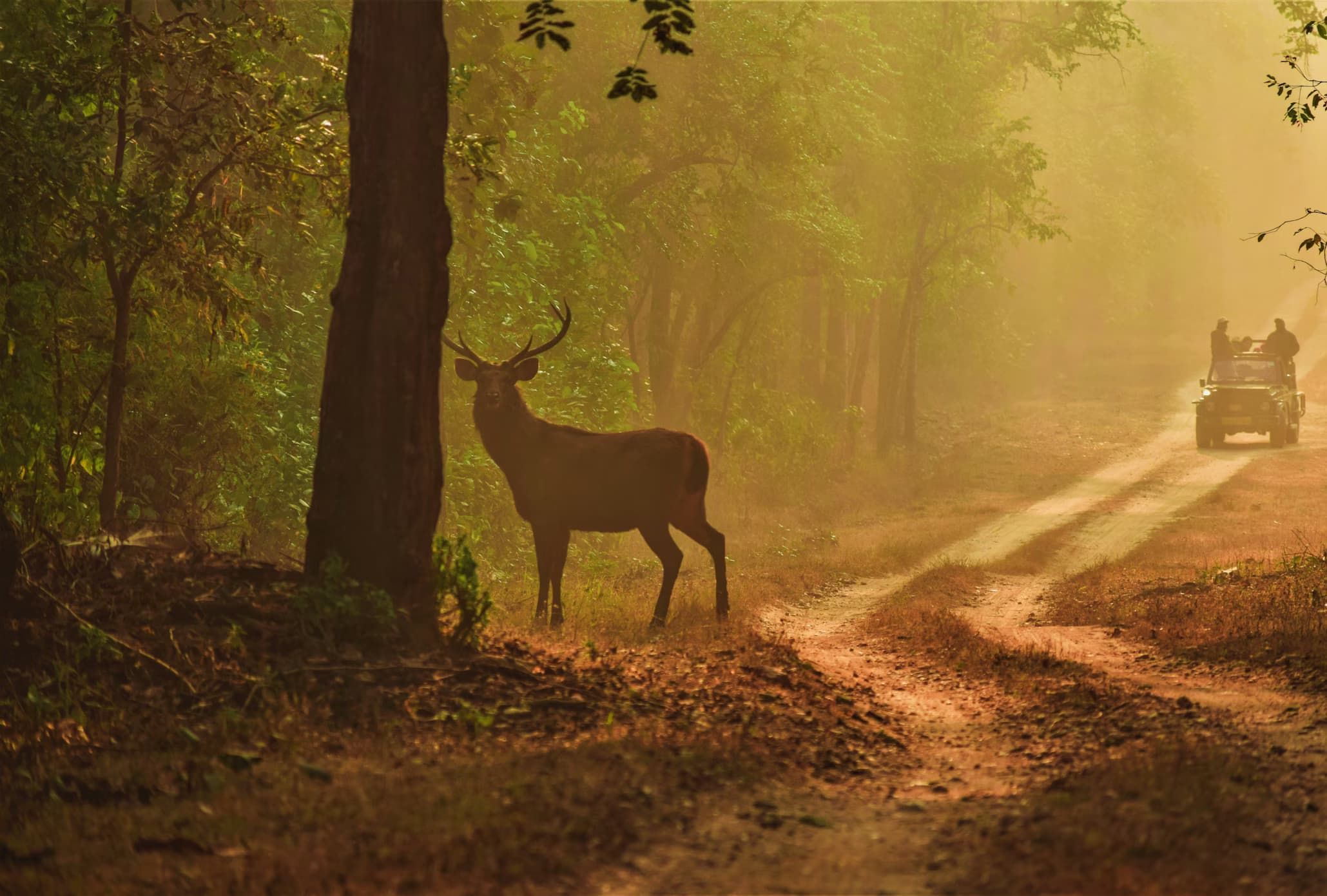
Kanha National Park
Madhya Pradesh
Explore park →
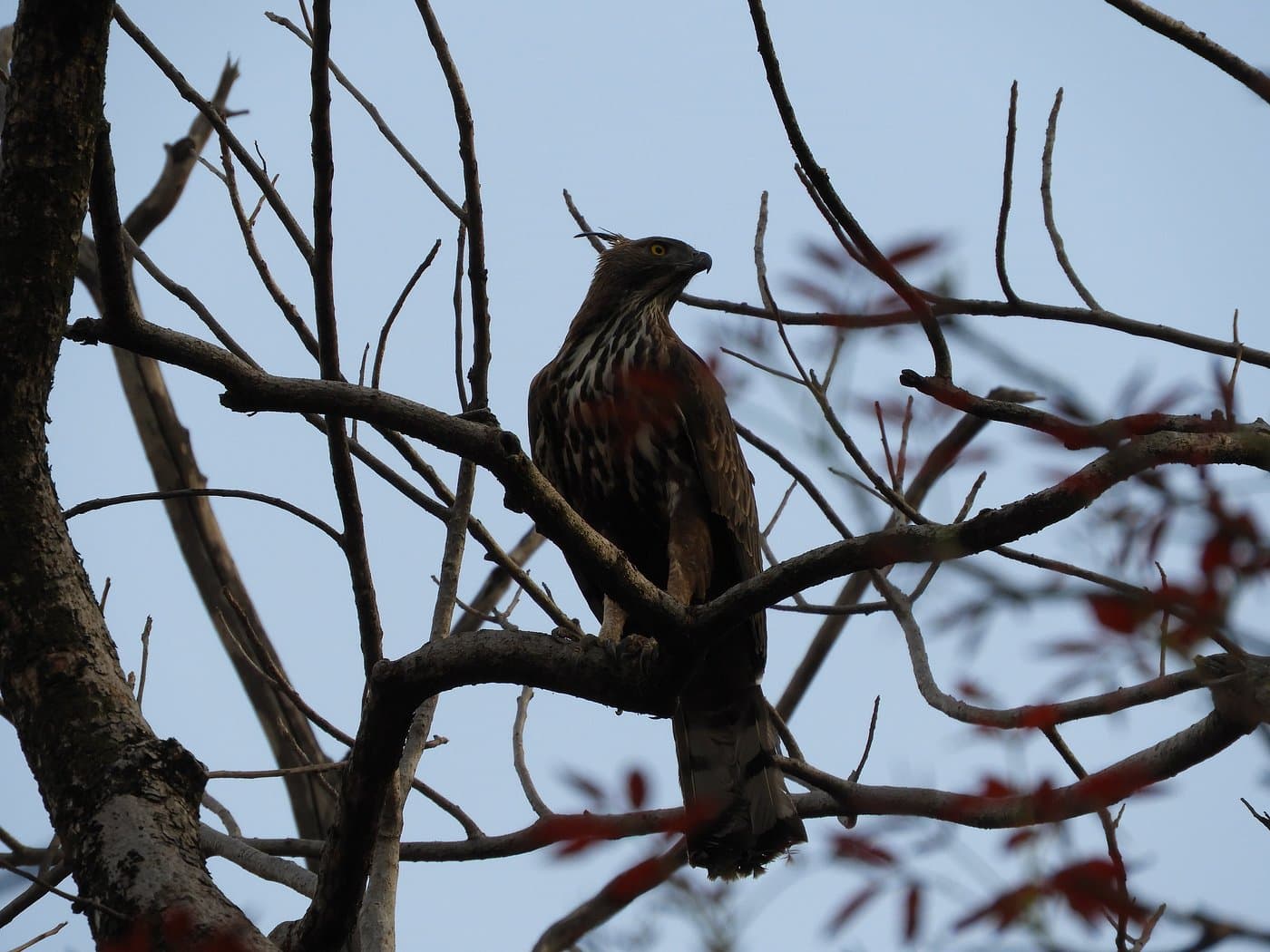
Pench National Park
Madhya Pradesh, Maharashtra
Explore park →
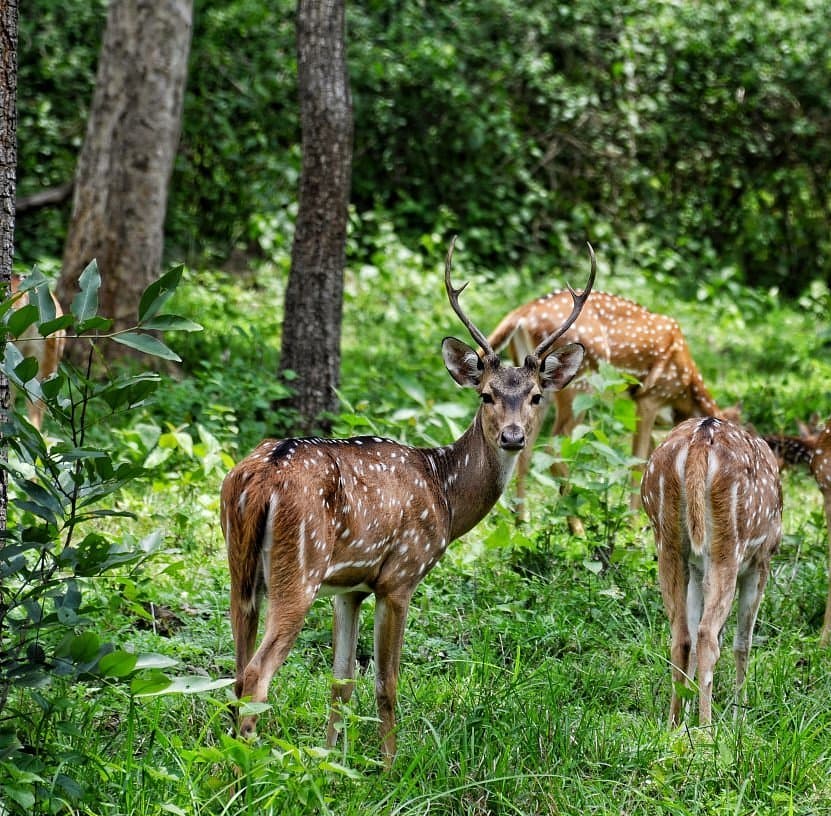
Mudumalai National Park
Tamil Nadu
Explore park →
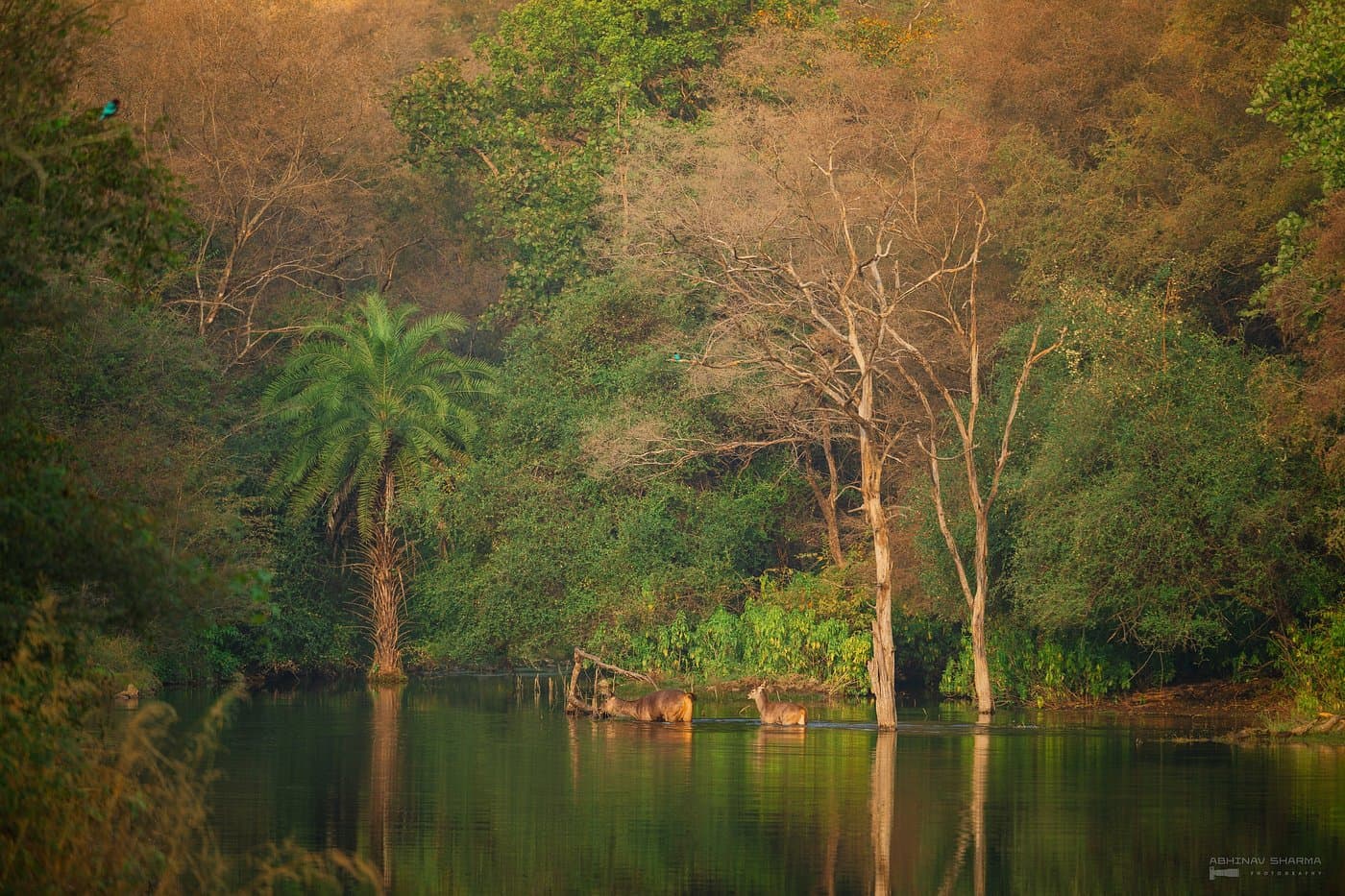
Sariska Tiger Reserve
Rajasthan
Explore park →
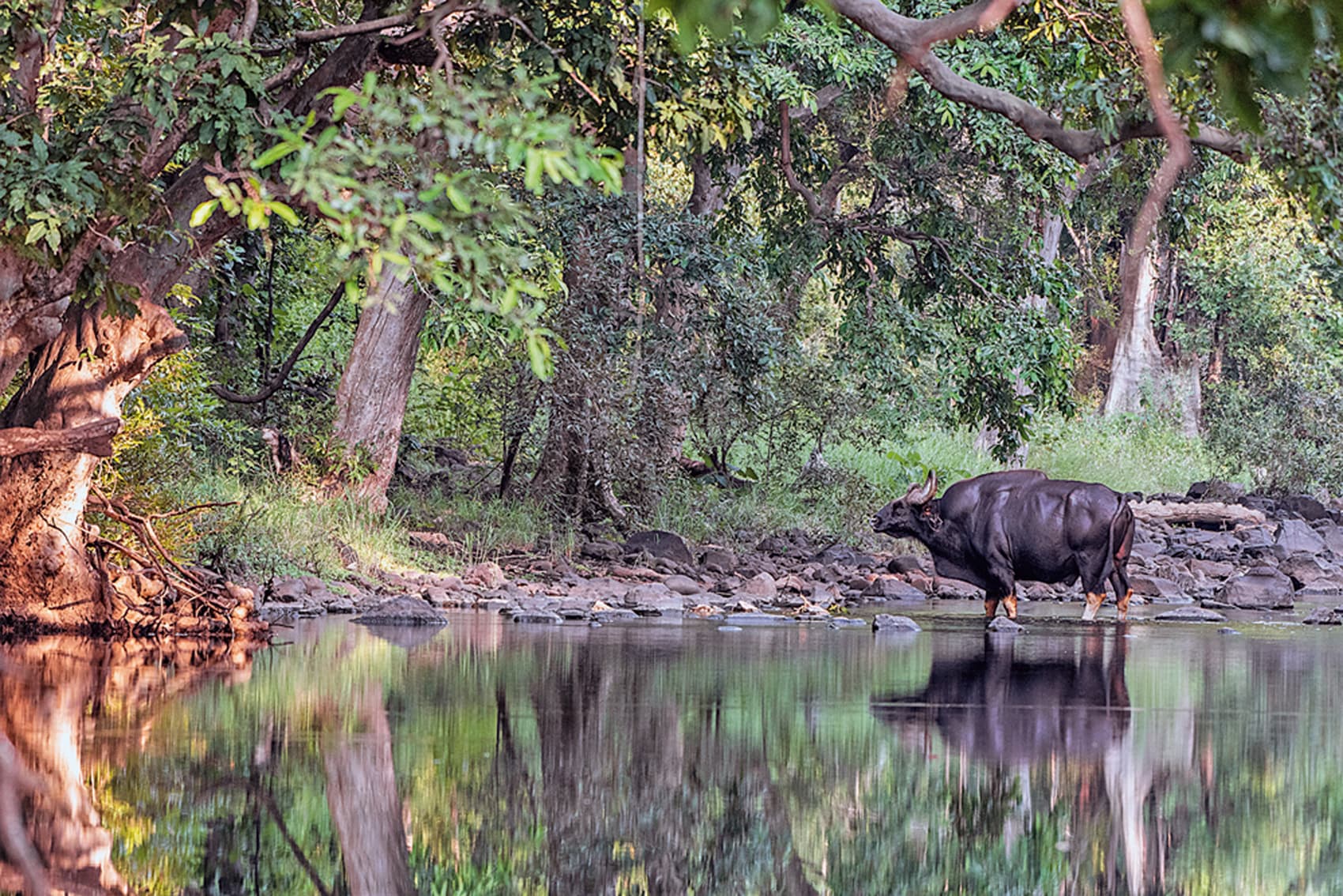
Melghat Tiger Reserve
Maharashtra
Explore park →
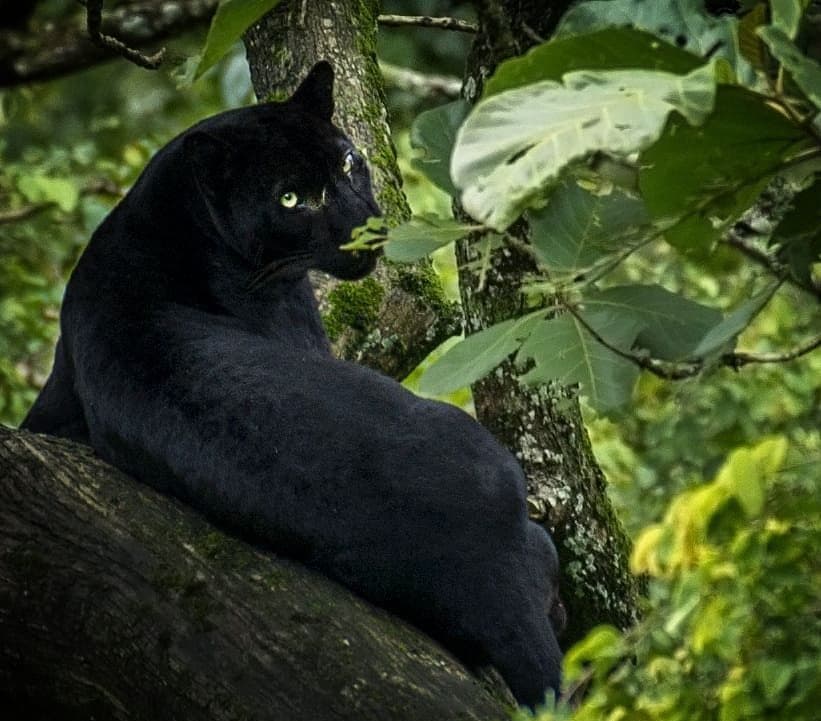
Nagarhole National Park
Karnataka
Explore park →
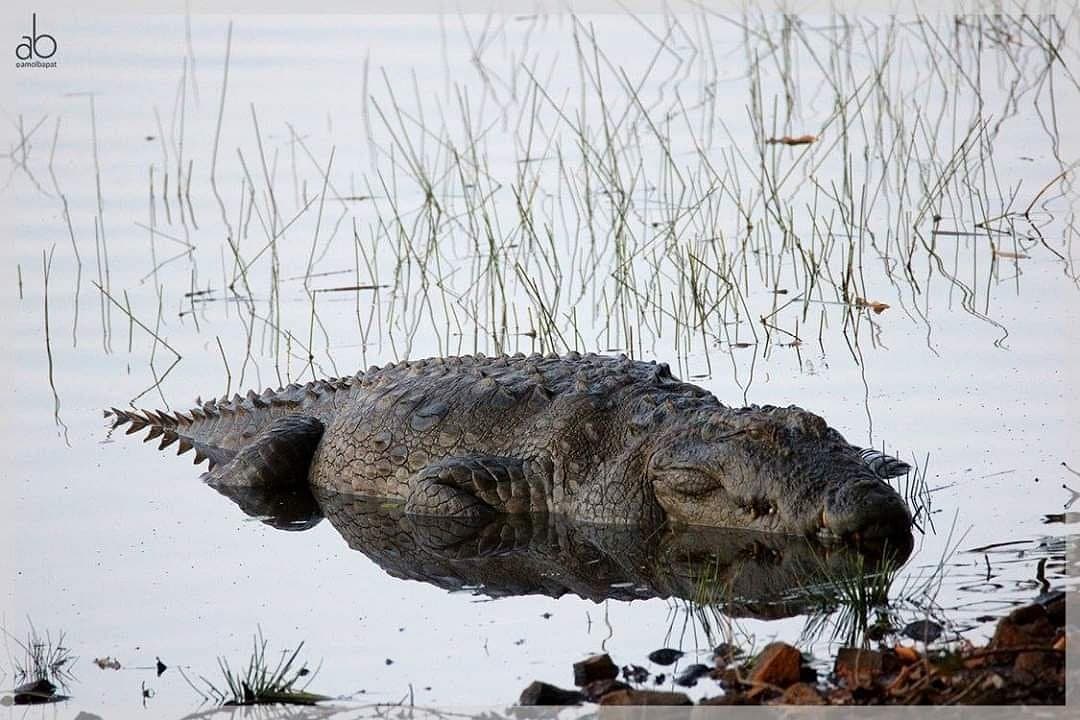
Tadoba-Andhari Tiger Reserve
Maharashtra
Explore park →
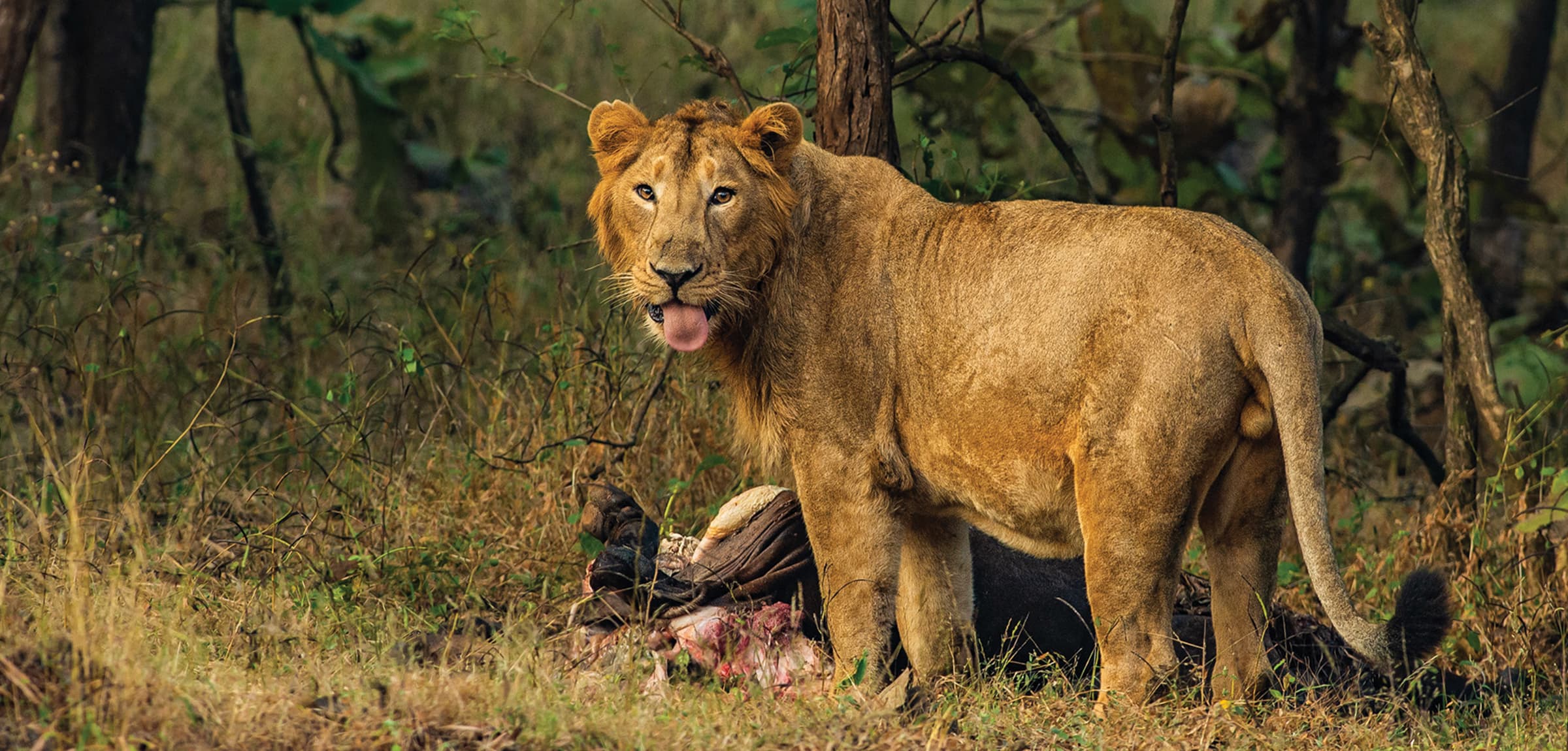
Gir National Park
Gujarat
Explore park →
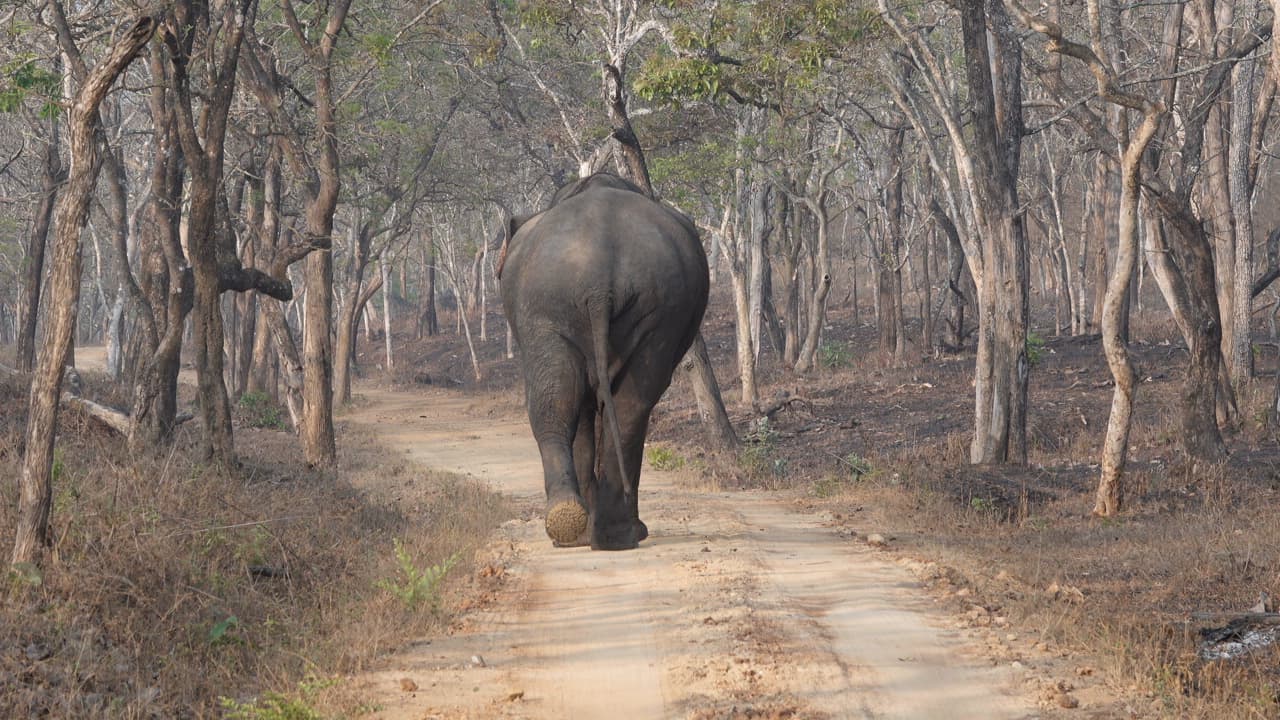
Bandipur National Park
Karnataka
Explore park →
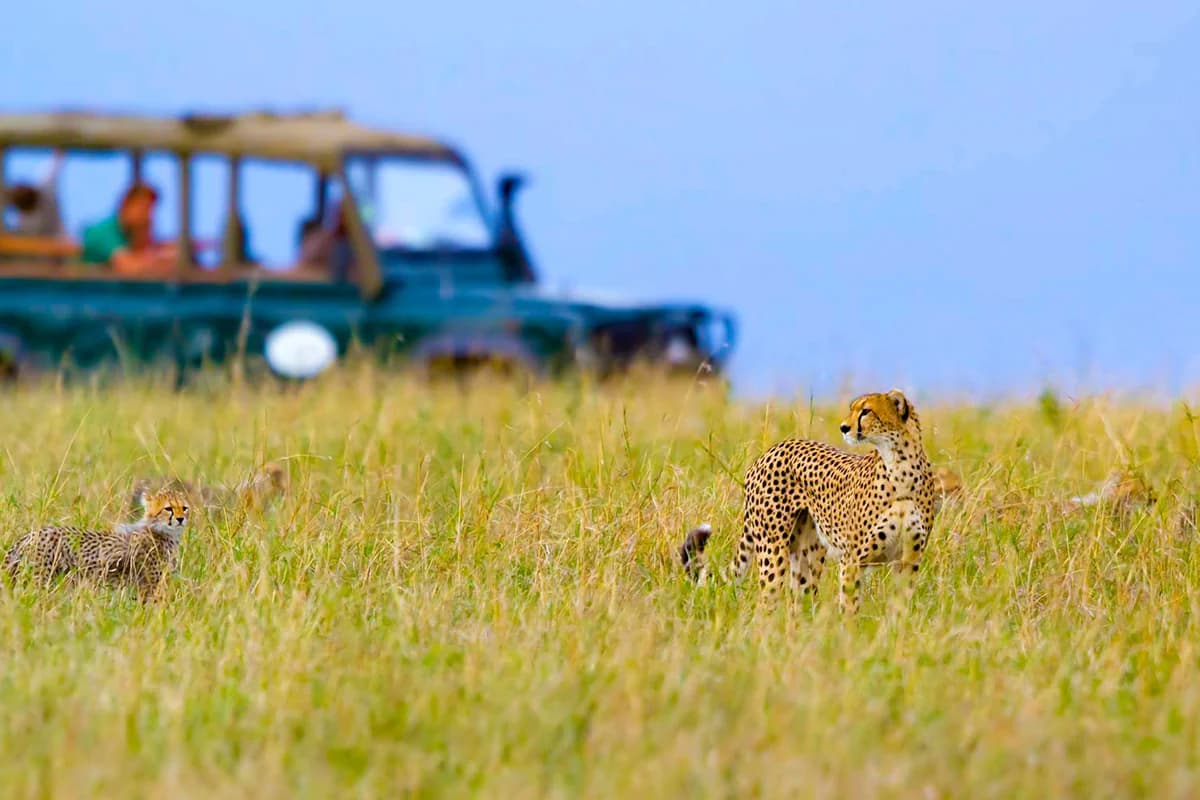
Kuno National Park
Madhya Pradesh
Explore park →
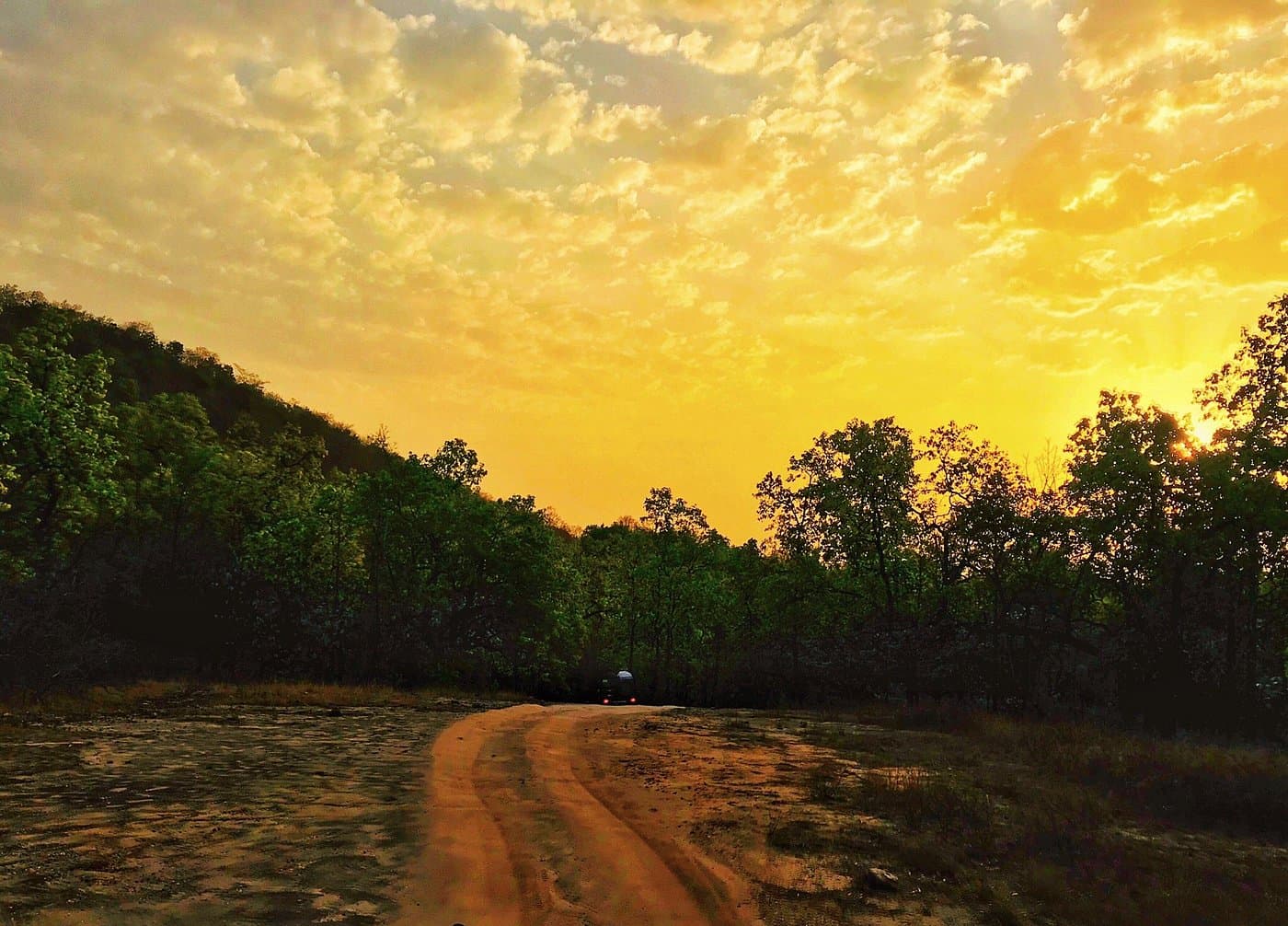
Bandhavgarh National Park
Madhya Pradesh
Explore park →
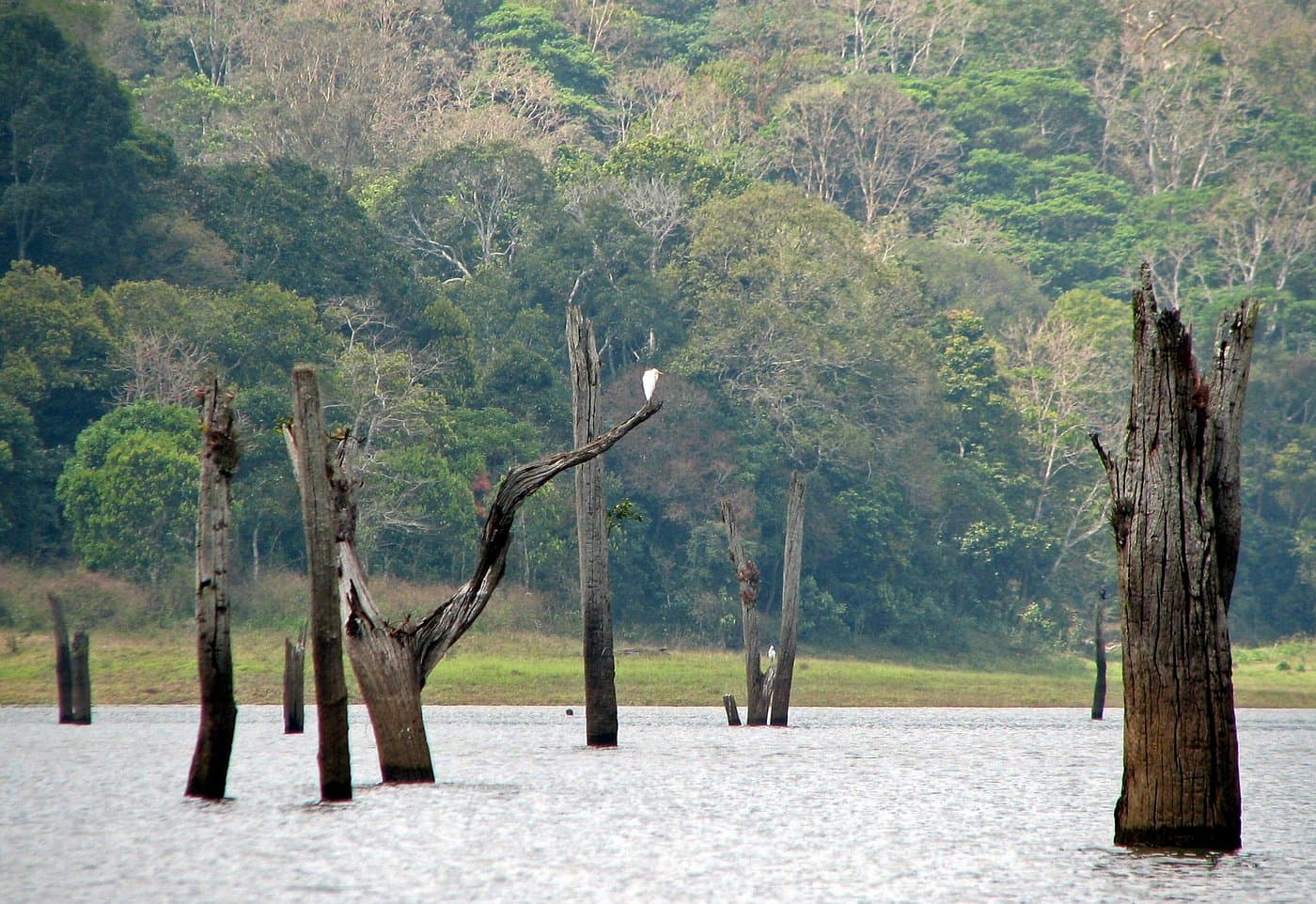
Periyar National Park
Kerala
Explore park →
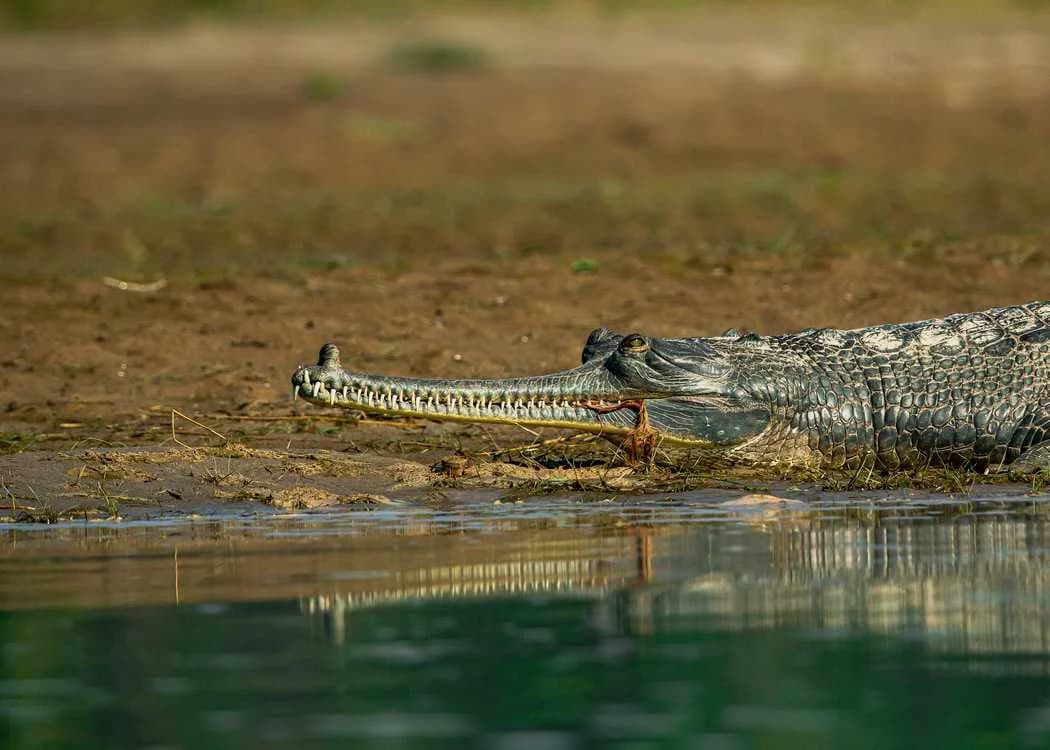
Dudhwa National Park
Uttar Pradesh
Explore park →
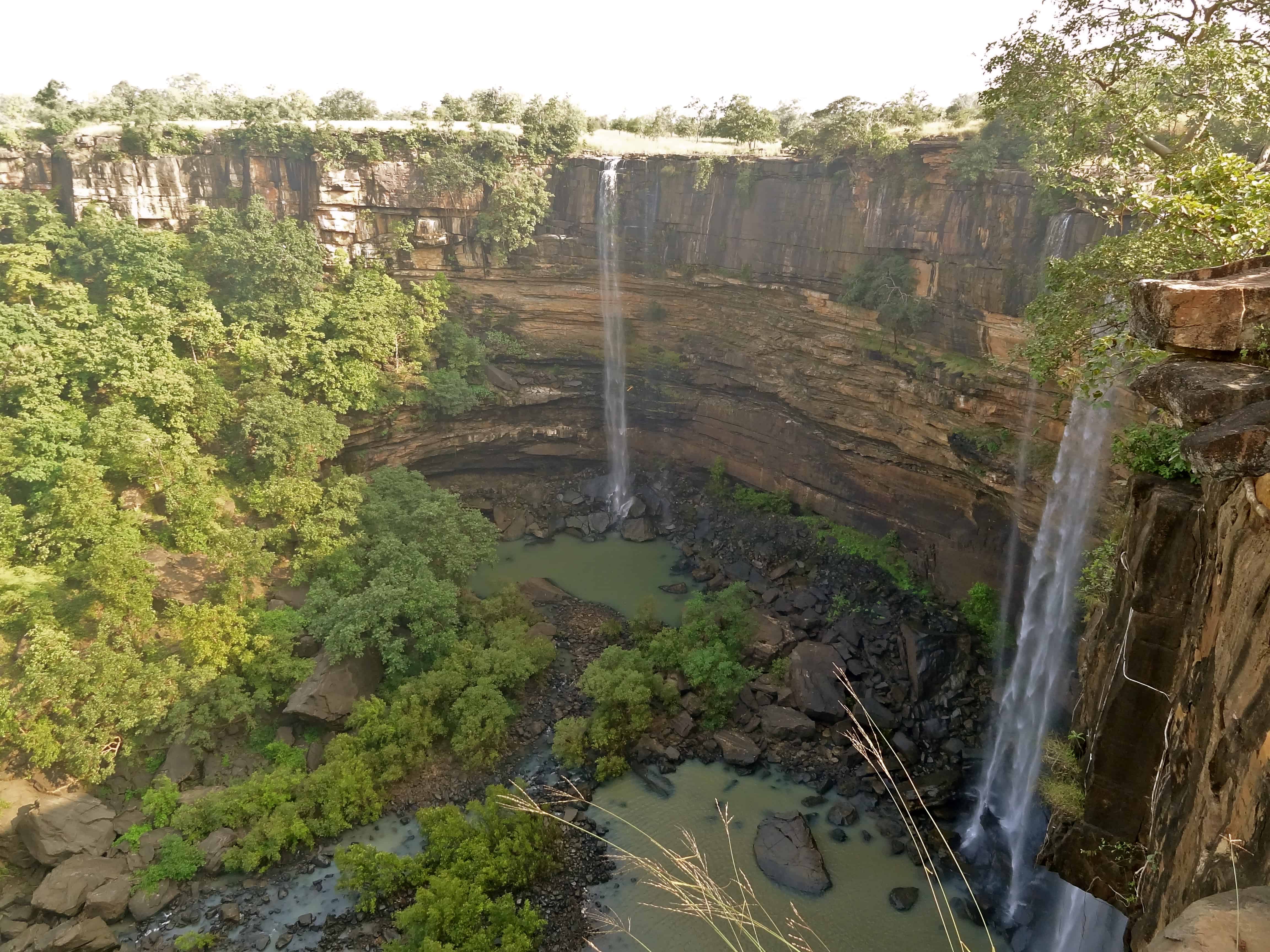
Panna National Park
Madhya Pradesh
Explore park →
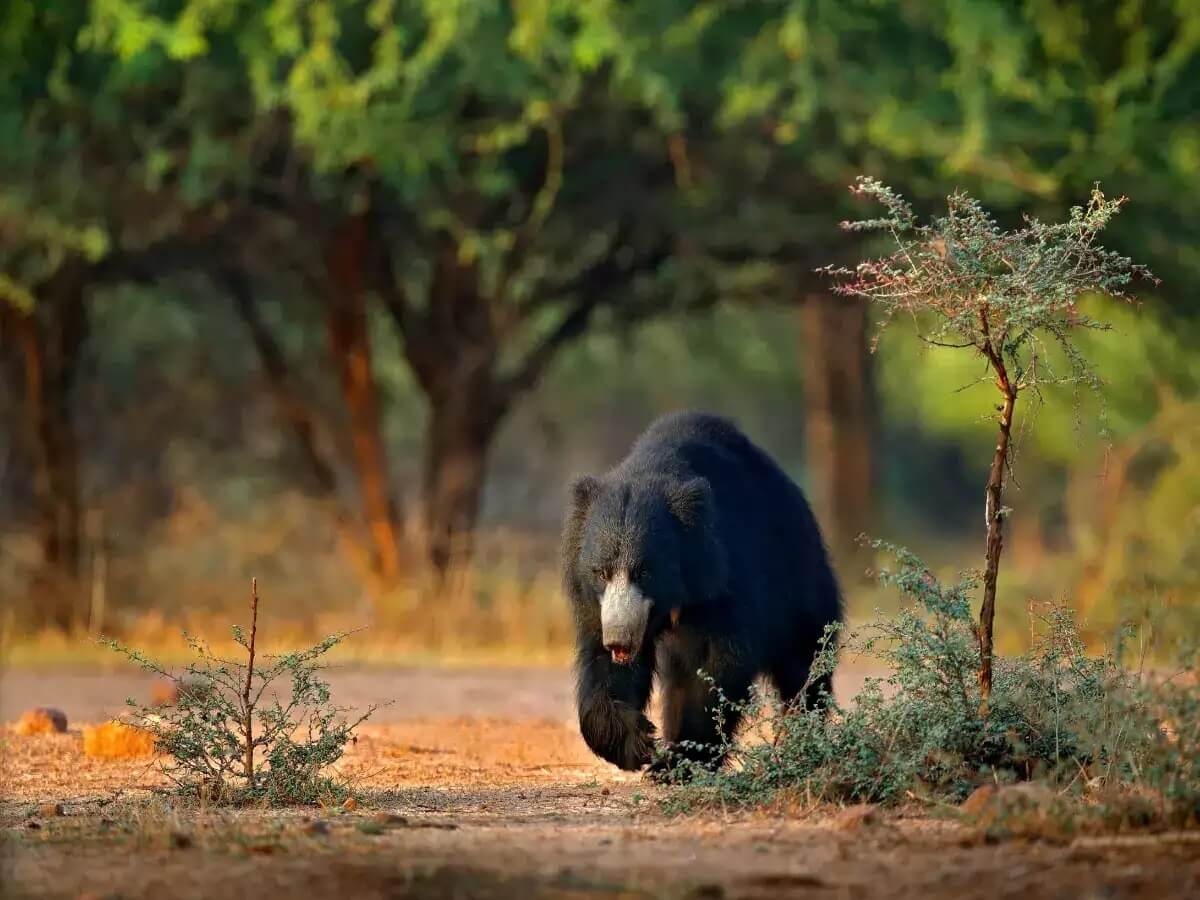
Rajaji National Park
Uttarakhand
Explore park →