deer-standing-near-grass-field
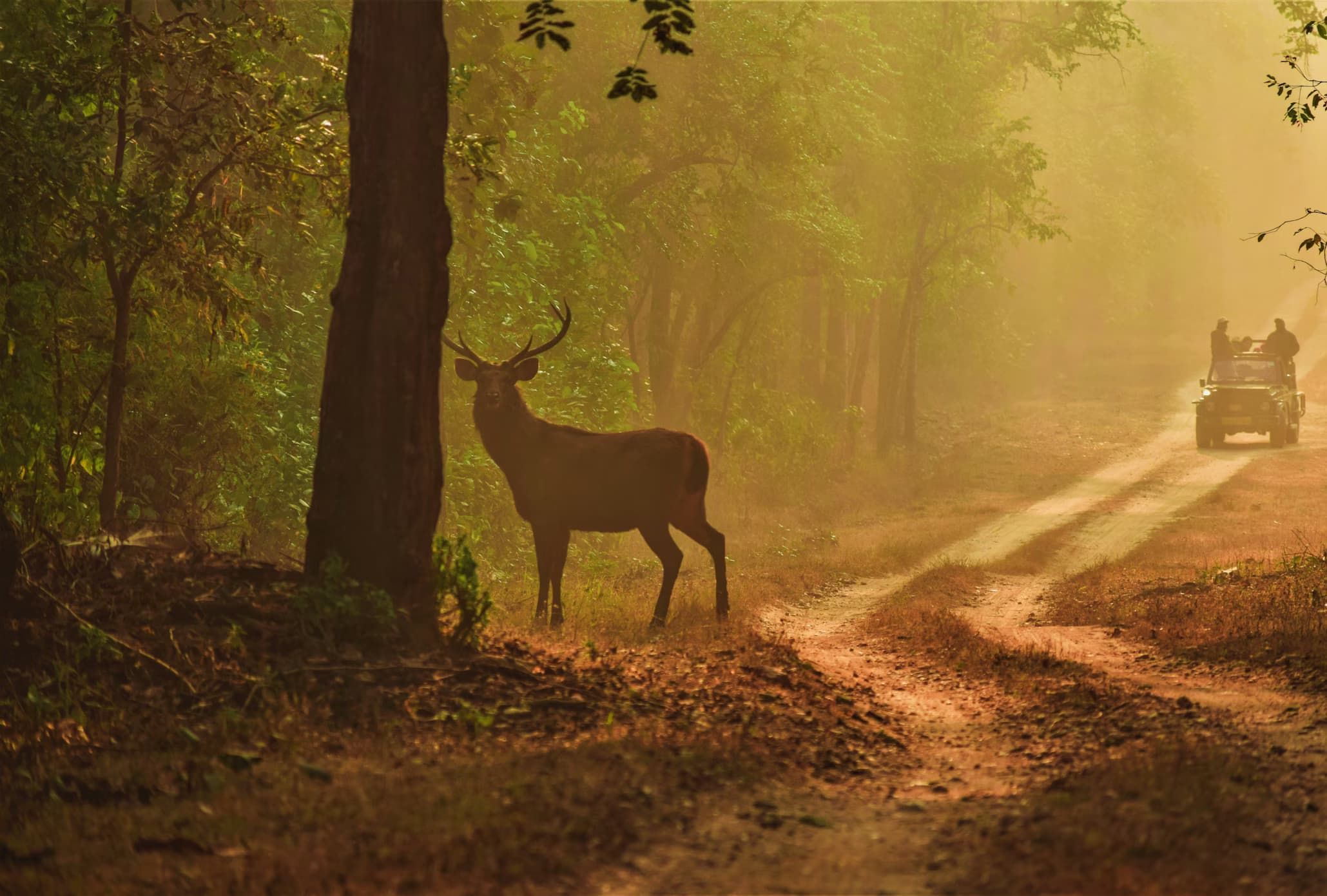
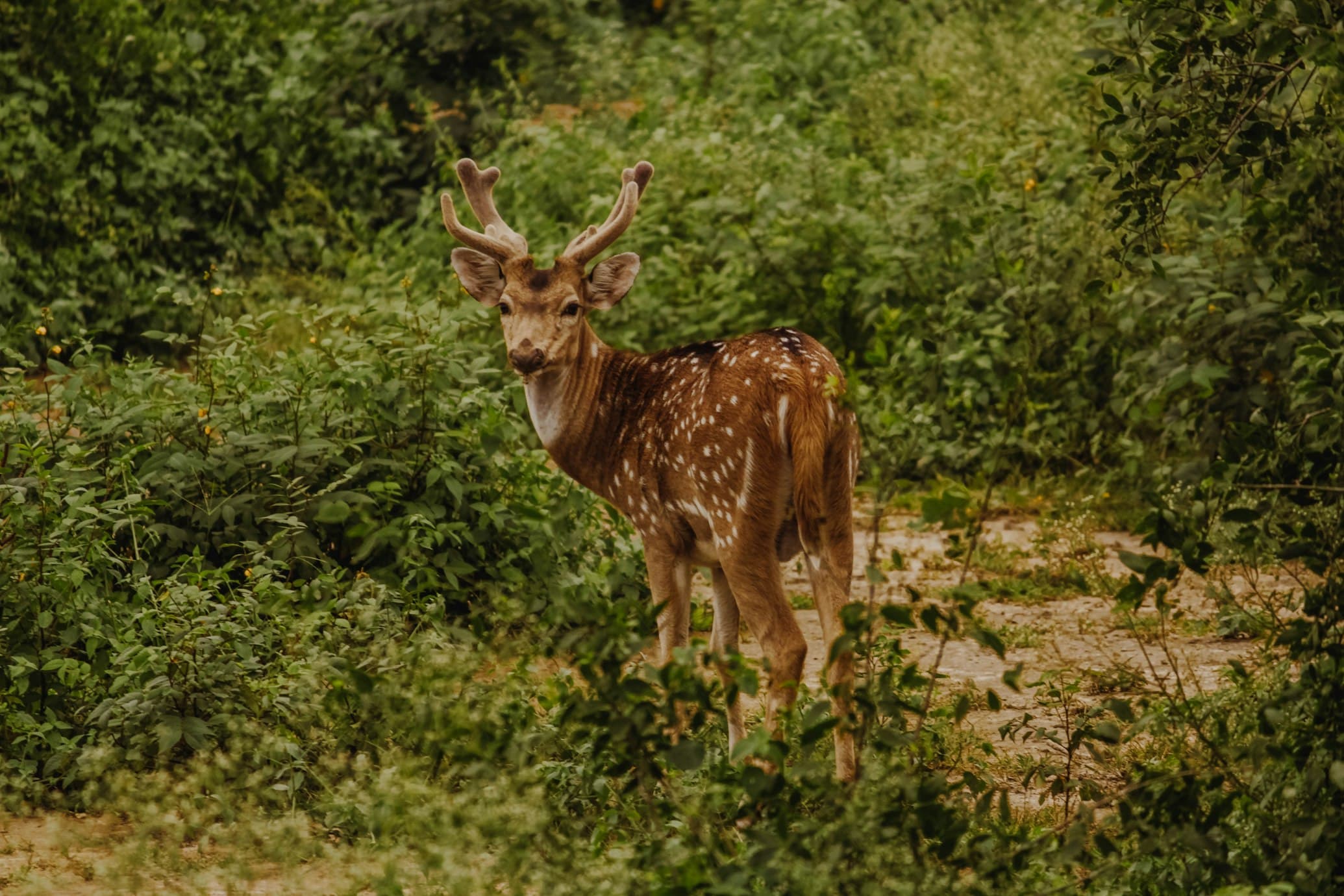
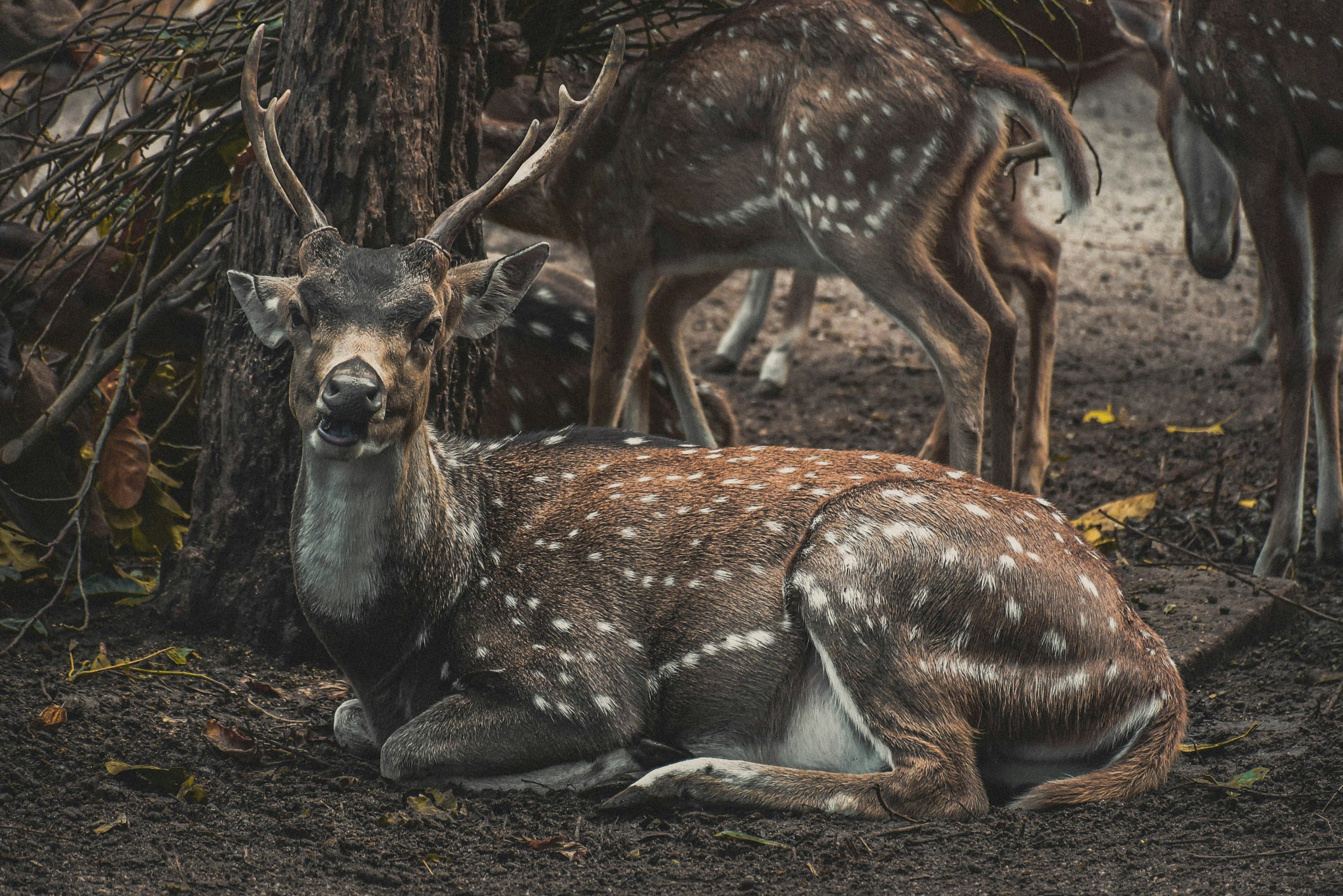
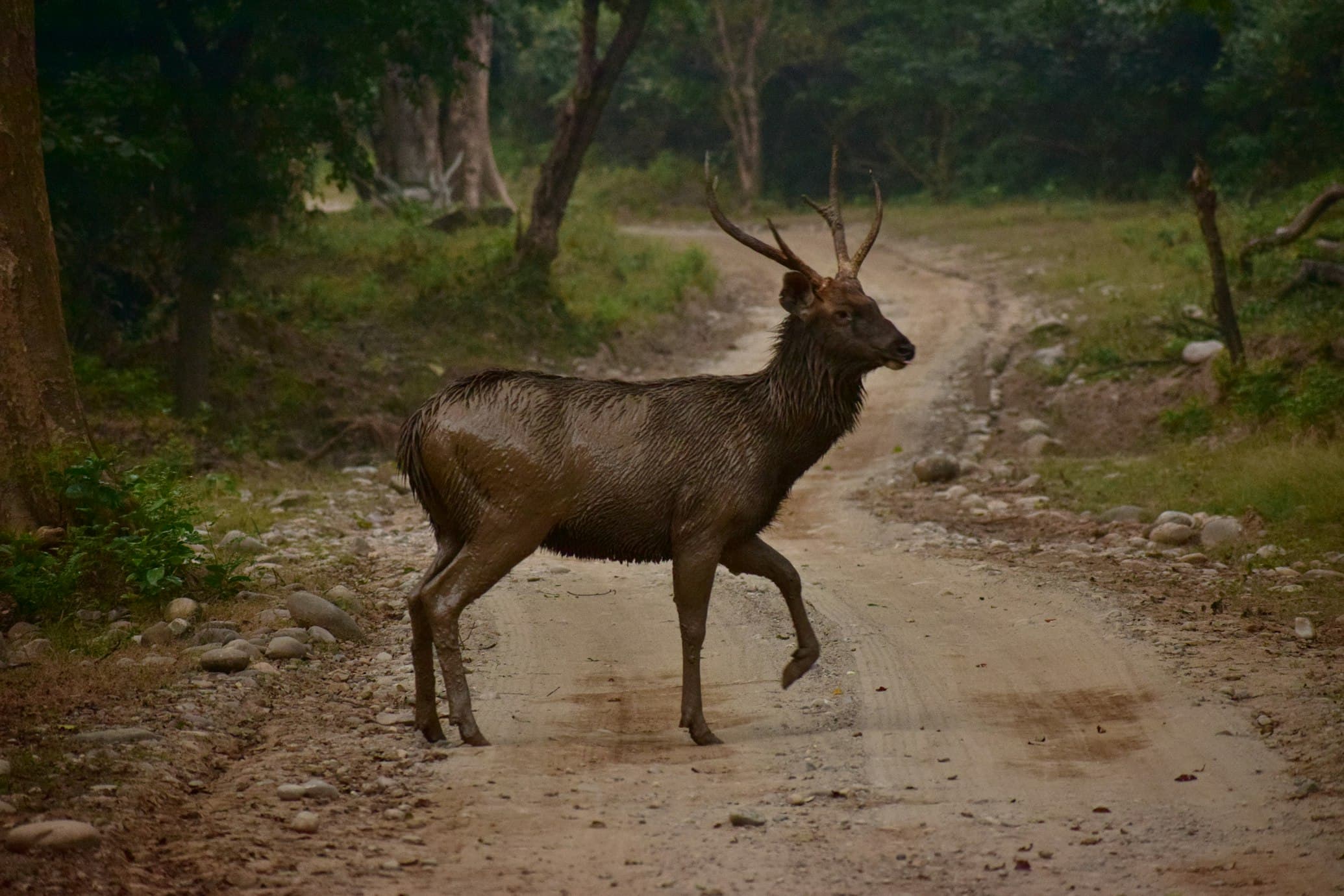
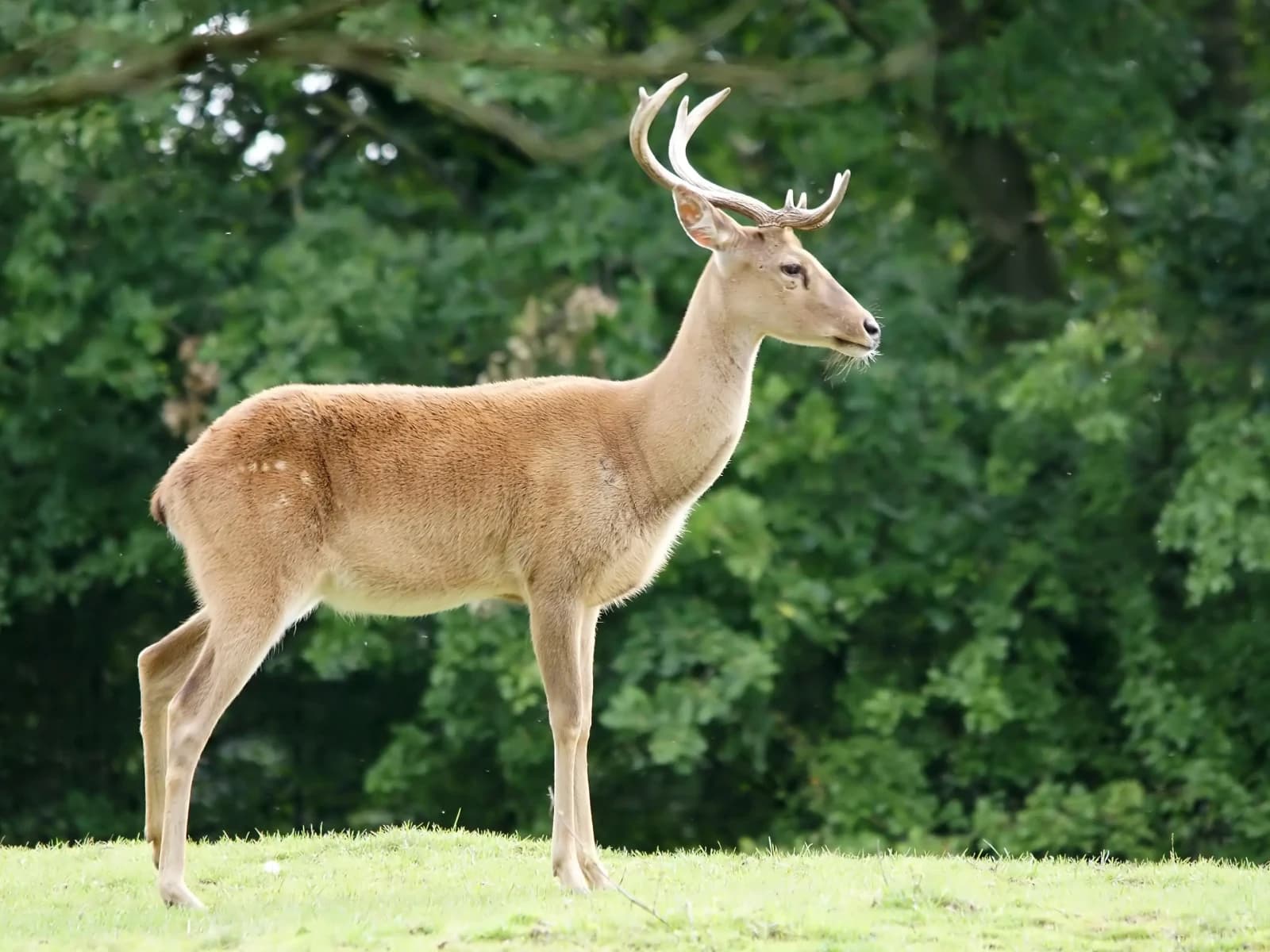
The barasingha, or swamp deer, is a large deer species endemic to the Indian subcontinent and the state animal of Madhya Pradesh. Its name translates to 'twelve-tined' in Hindi, referring to the impressive antlers of adult males. Once widespread across the Indo-Gangetic plains, it now survives in just a few protected areas, most notably Kanha Tiger Reserve.
Average Length
1.8 m
Average Weight
180 kg
Lifespan
20 years
Top Speed
50 km/h
WildAtlas insight
Low elusiveness
This species is generally easier to observe in the wild, based on its typical traits and behavior.
Why this grade?
These are some of the biological and behavioral factors, among others, that WildAtlas considers when deriving this species level grade.
- Animal group
- Mammal
- Diet
- Herbivore
- Activity
- Diurnal
- Social behavior
- Herd
This proprietary WildAtlas grade describes the animal in general and stays the same across parks. It is separate from park level insights, which depend on local conditions and data.
Quick Facts
'Barasingha' means 'twelve-tined' in Hindi, referring to the stag's impressive antlers.
Kanha National Park saved the hard-ground barasingha from extinction through intensive conservation.
Three subspecies exist: hard-ground (Kanha), swamp (Dudhwa), and eastern (Kaziranga).
It is the state animal of Madhya Pradesh and Uttar Pradesh.
Habitat & Range
Habitats
Regions
Behavior & Reproduction
Activity Pattern
Diurnal
Social Structure
Herd
Gestation Period
8 months
Litter Size
1
Predators
Tigers, Leopards, Dholes
Found in Parks
Where should you look for barasingha? Explore each park's biome, habitat, and local conditions. Population, density, and sighting trends will shape future park specific insights.