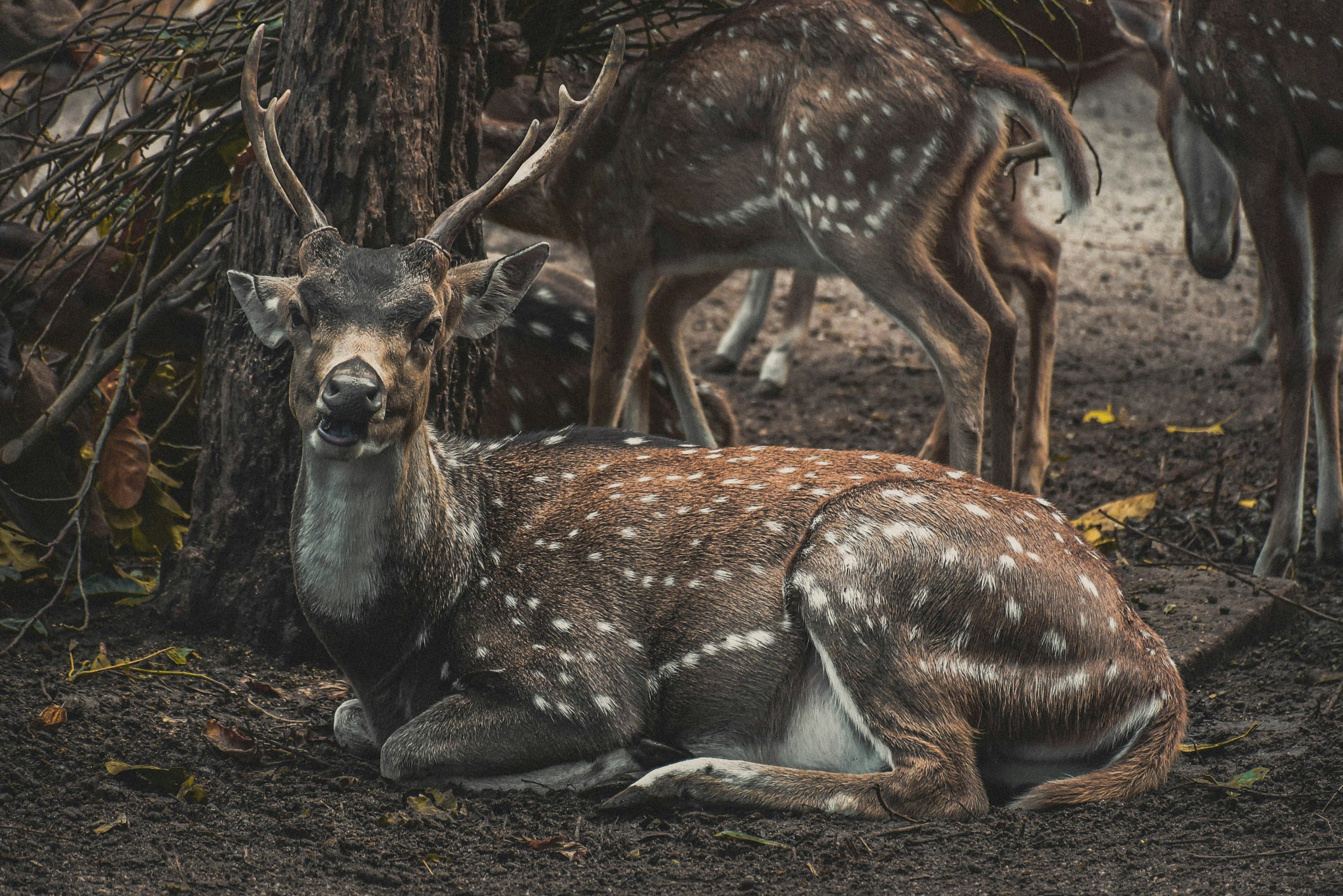
brown-deer-on-brown-soil
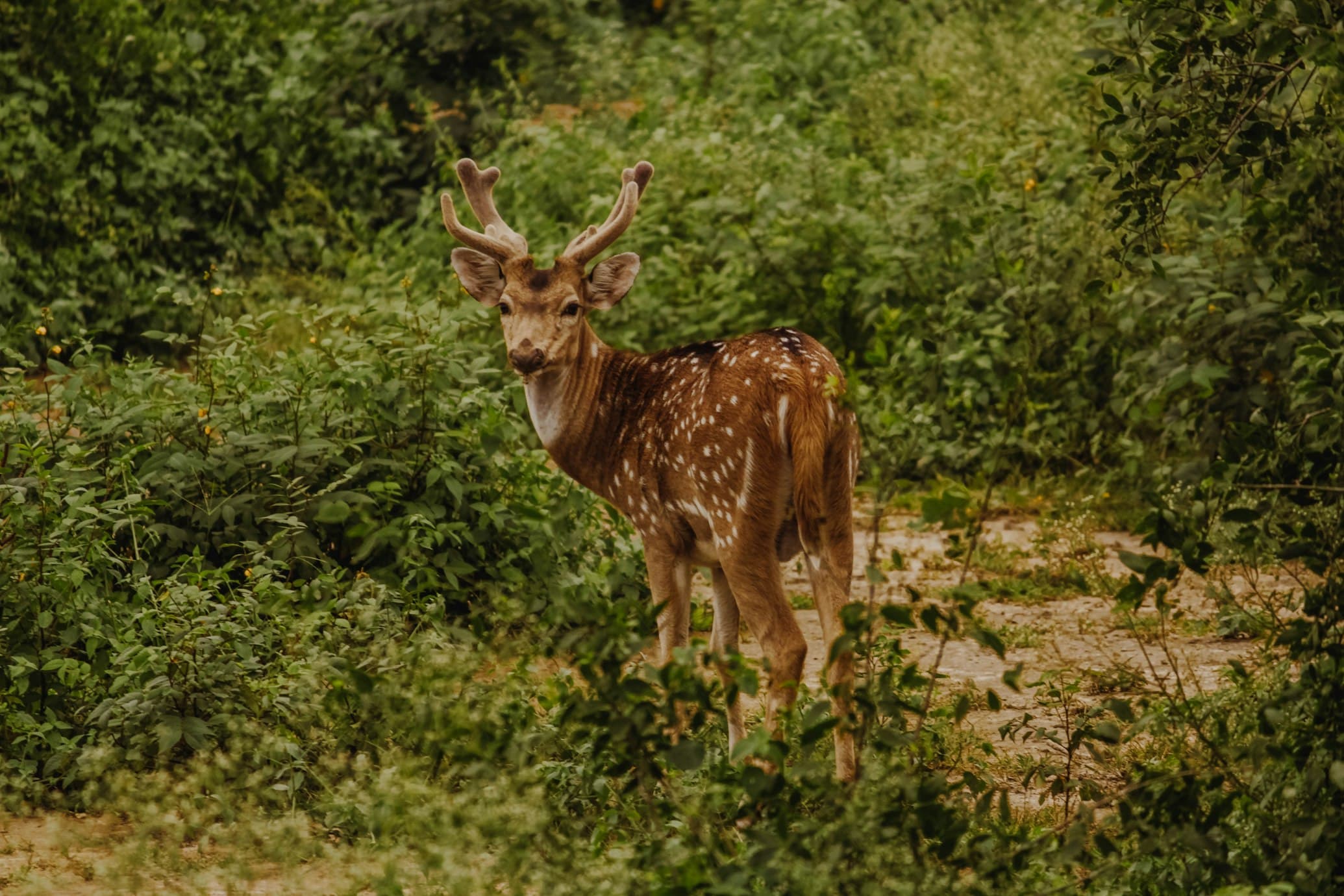
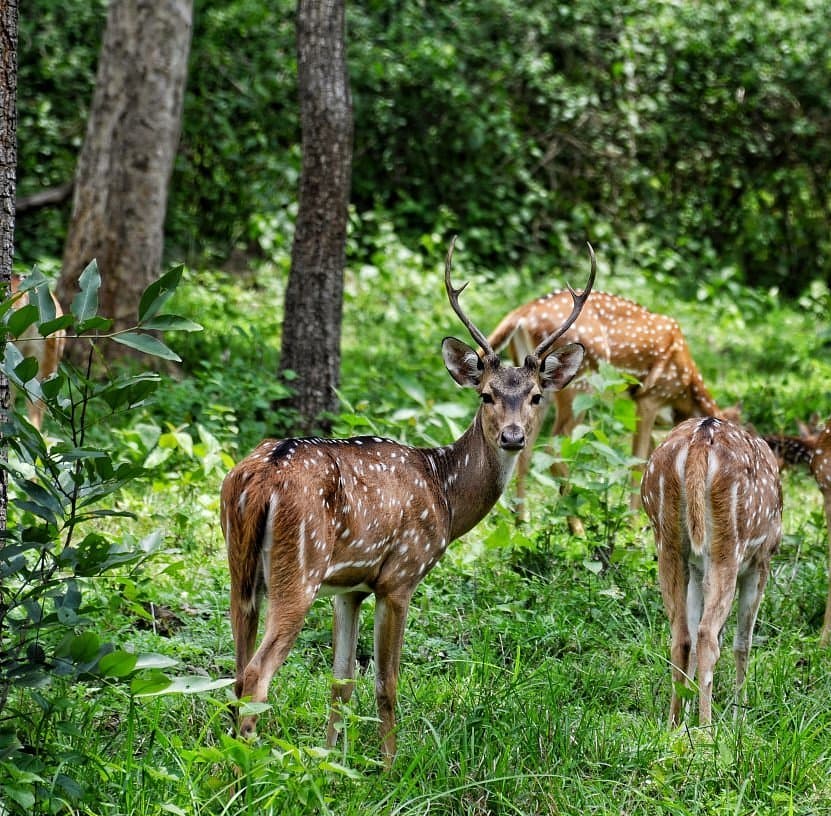
The chital, or spotted deer, is the most abundant and widespread deer species in the Indian subcontinent and a keystone prey species for tigers and leopards. Easily identified by its bright rufous coat covered in white spots, the chital lives in herds in dry deciduous forests and grasslands. It has a commensal relationship with langur monkeys, often feeding on fruit dropped by the monkeys from the tree canopy.
Average Length
1.4 m
Average Weight
75 kg
Lifespan
8-14 years
Top Speed
65 km/h
WildAtlas insight
Low elusiveness
This species is generally easier to observe in the wild, based on its typical traits and behavior.
Why this grade?
These are some of the biological and behavioral factors, among others, that WildAtlas considers when deriving this species level grade.
- Animal group
- Mammal
- Diet
- Herbivore
- Activity
- Diurnal
- Social behavior
- Herd
This proprietary WildAtlas grade describes the animal in general and stays the same across parks. It is separate from park level insights, which depend on local conditions and data.
Quick Facts
Chital retain their white spots throughout life, unlike most other deer species.
They are the most common and numerous deer species in India.
Chital often follow langur monkeys to eat fruit dropped from trees.
Bandipur National Park hosts some of the largest chital herds in the world.
Habitat & Range
Habitats
Regions
Behavior & Reproduction
Activity Pattern
Diurnal
Social Structure
Herd
Gestation Period
7 months
Litter Size
1
Predators
Tigers, Leopards, Dholes, Crocodiles
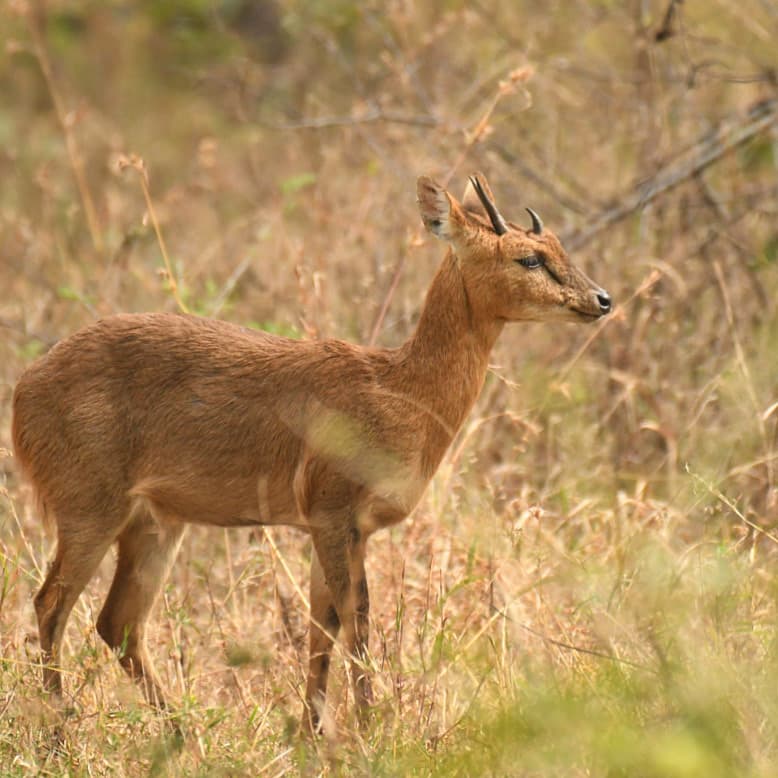
Found in Parks
Where should you look for chital? Explore each park's biome, habitat, and local conditions. Population, density, and sighting trends will shape future park specific insights.
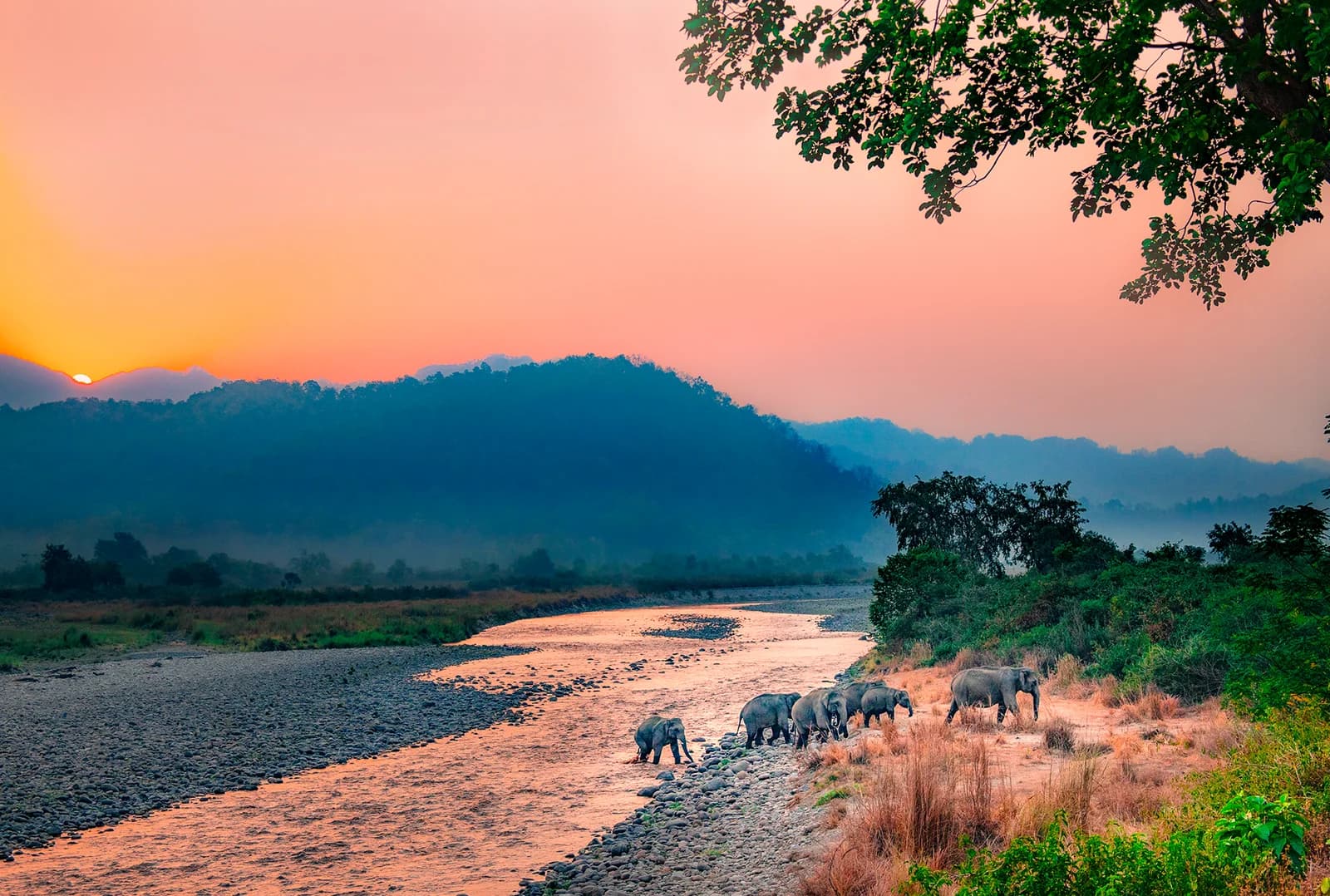
Jim Corbett National Park
Uttarakhand
Explore park →
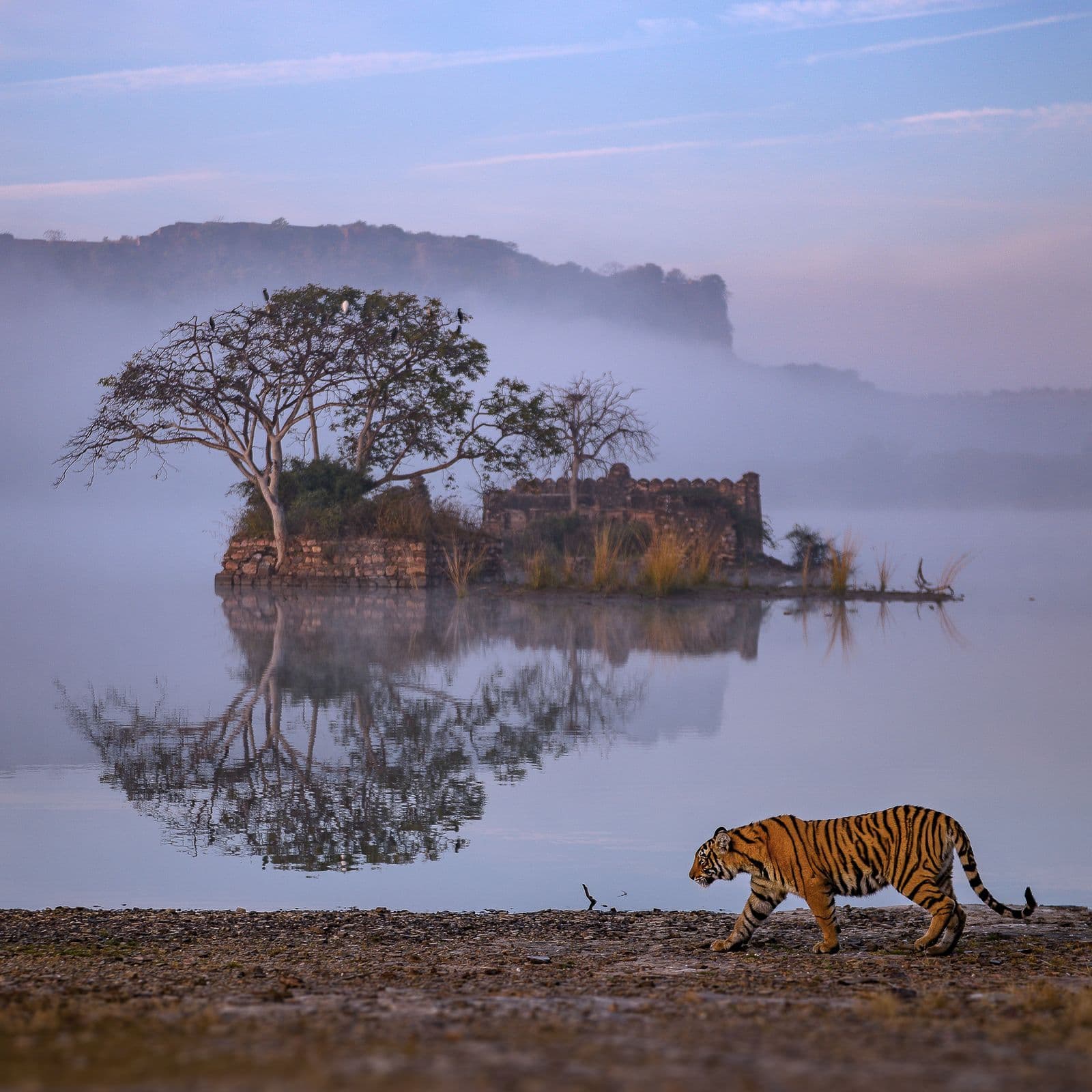
Ranthambore National Park
Rajasthan
Explore park →
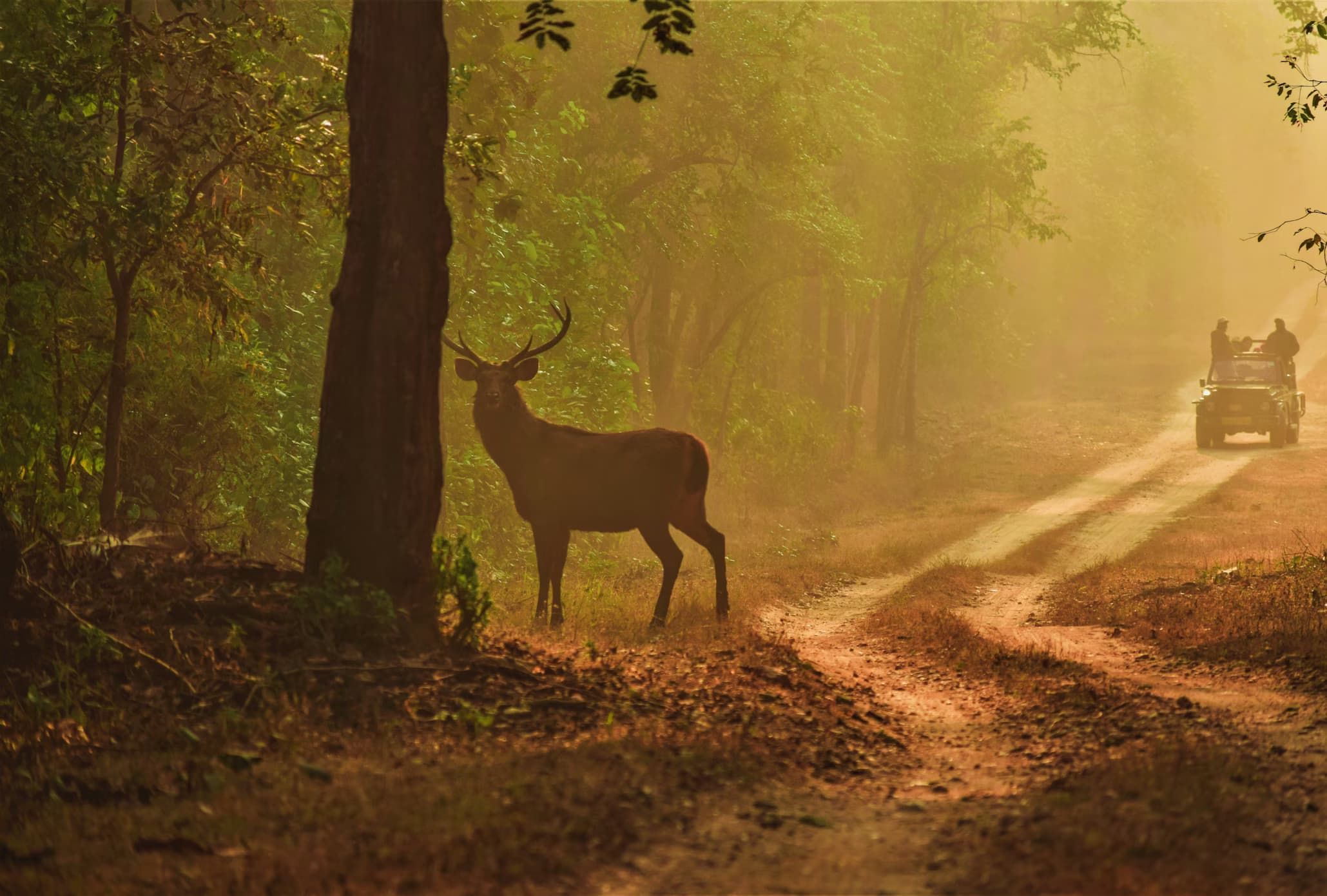
Kanha National Park
Madhya Pradesh
Explore park →
Pench National Park
Madhya Pradesh, Maharashtra
Explore park →
Mudumalai National Park
Tamil Nadu
Explore park →
Sariska Tiger Reserve
Rajasthan
Explore park →
Melghat Tiger Reserve
Maharashtra
Explore park →
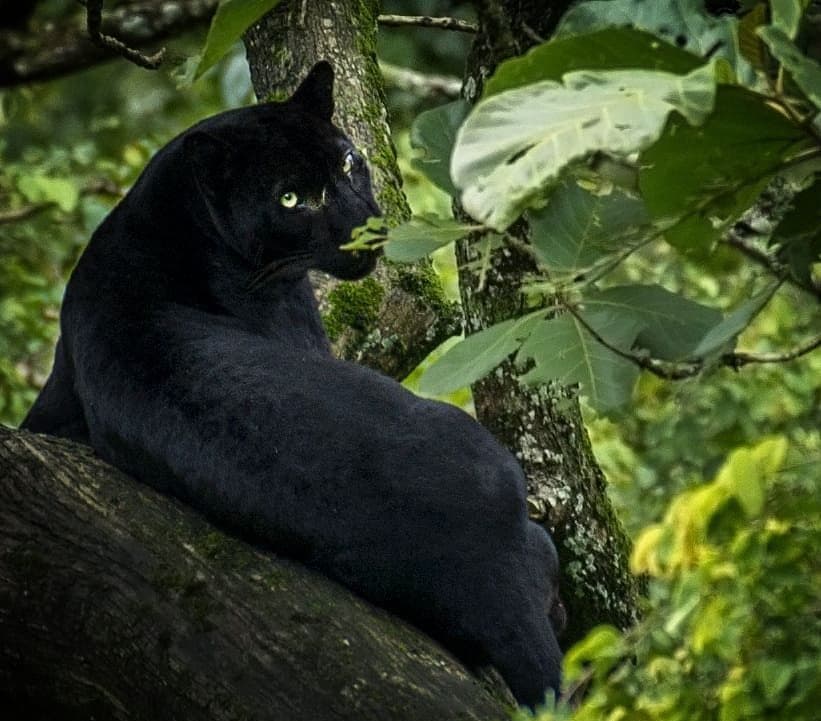
Nagarhole National Park
Karnataka
Explore park →
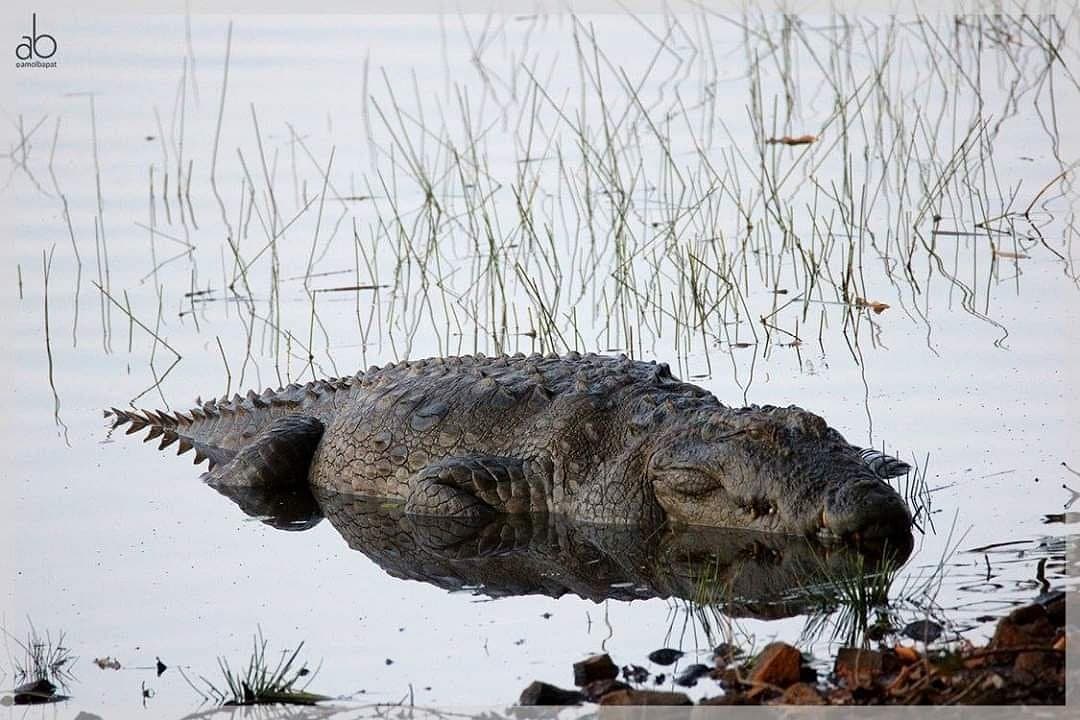
Tadoba-Andhari Tiger Reserve
Maharashtra
Explore park →
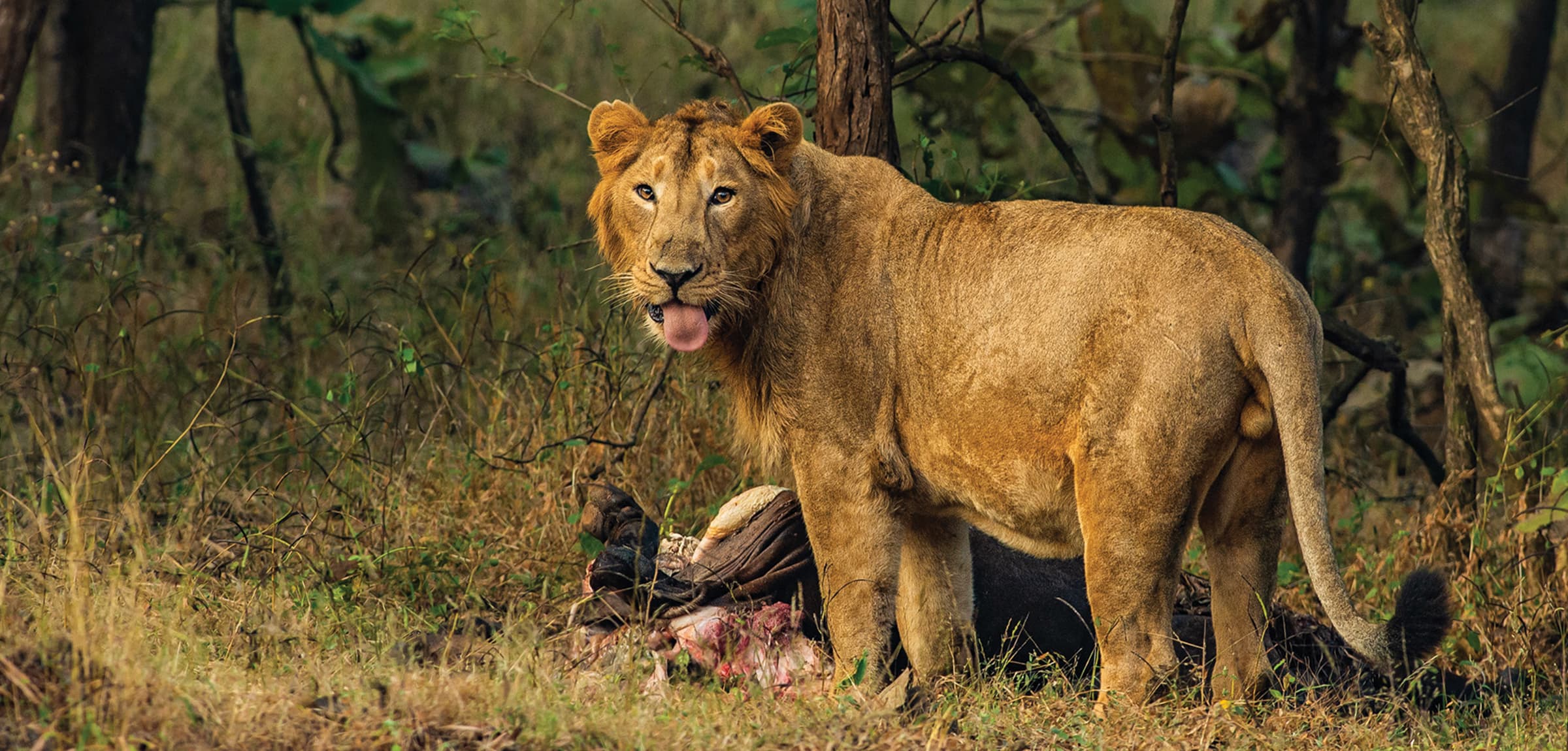
Gir National Park
Gujarat
Explore park →
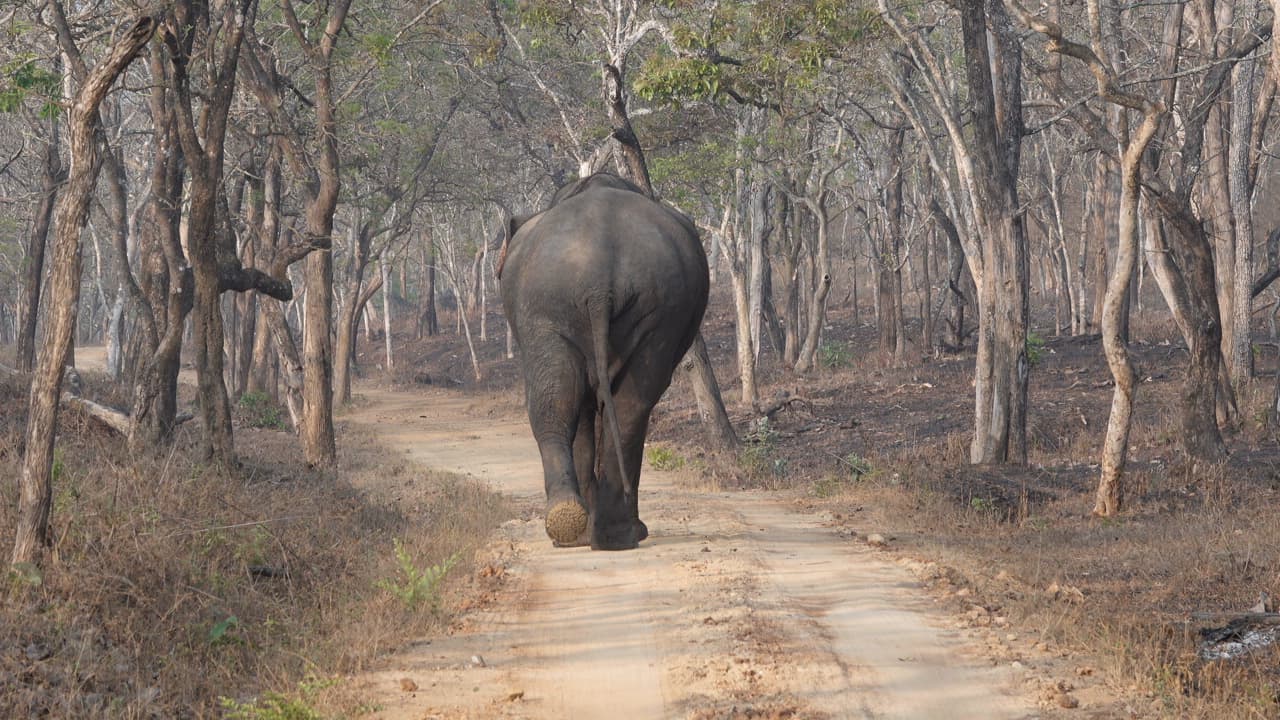
Bandipur National Park
Karnataka
Explore park →
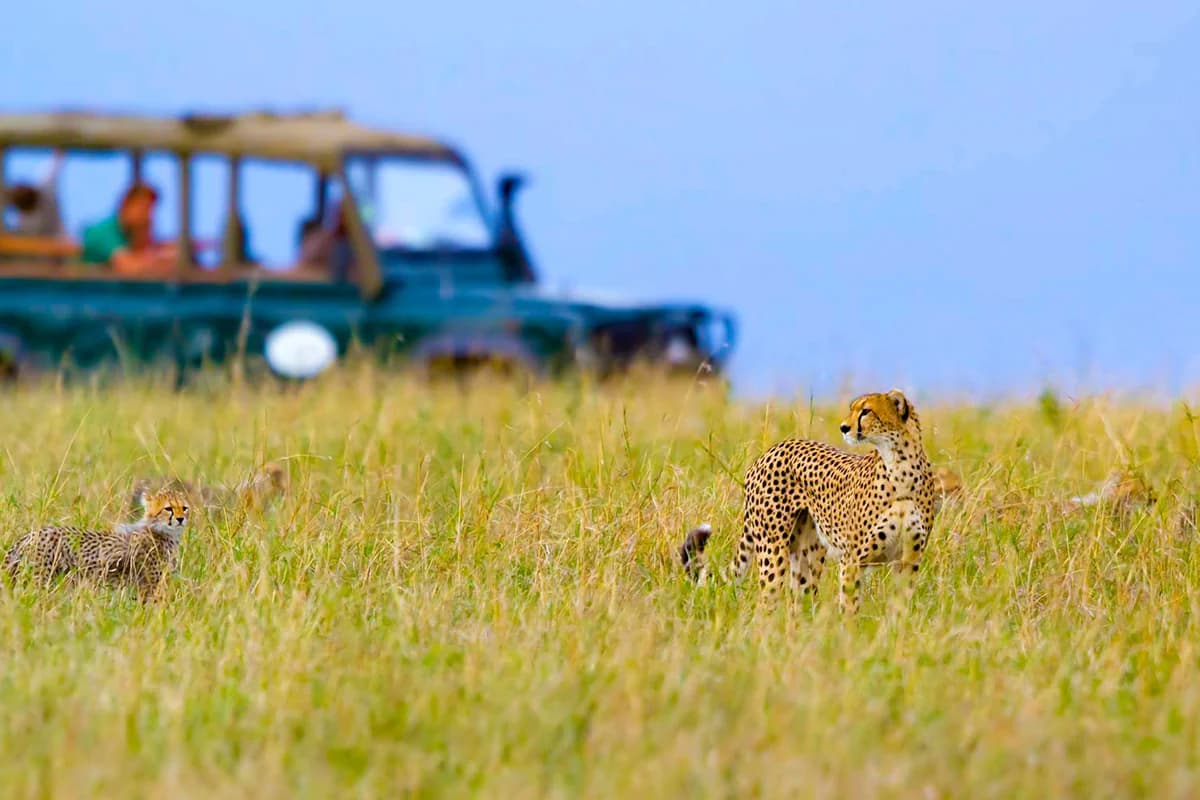
Kuno National Park
Madhya Pradesh
Explore park →
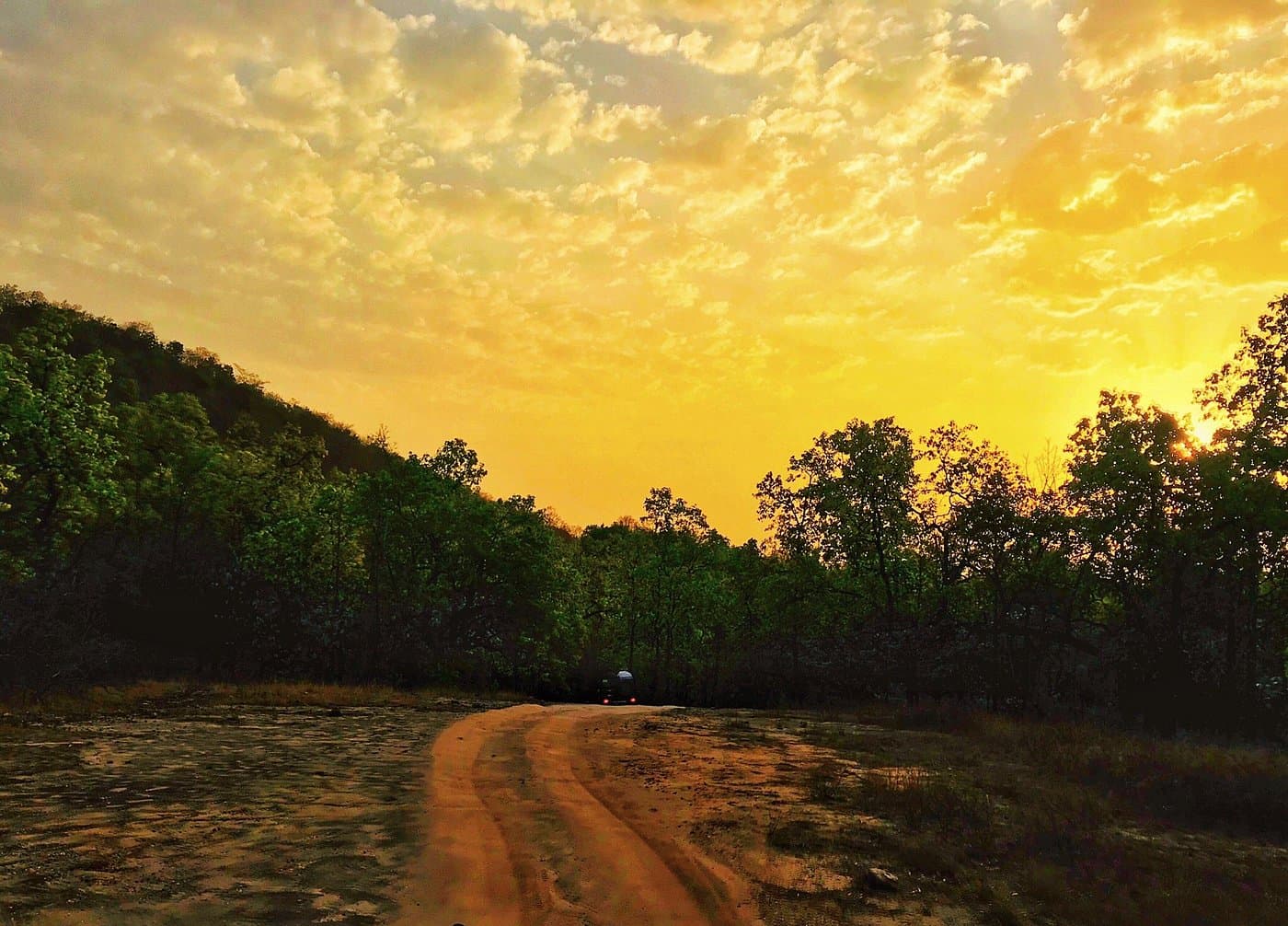
Bandhavgarh National Park
Madhya Pradesh
Explore park →
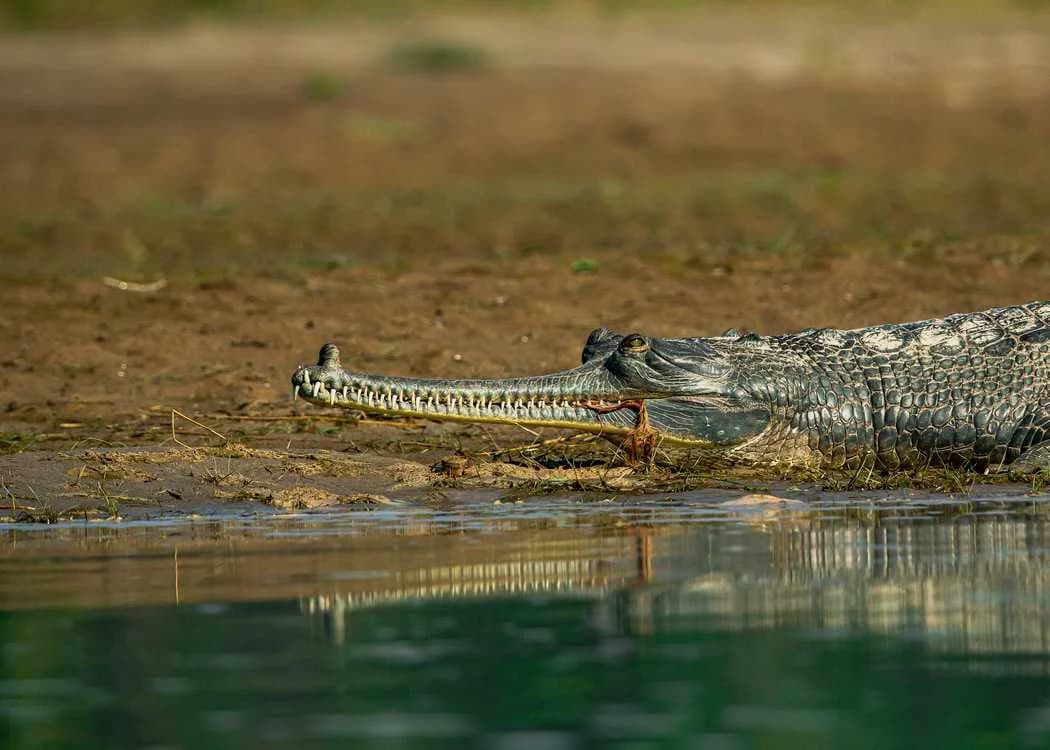
Dudhwa National Park
Uttar Pradesh
Explore park →
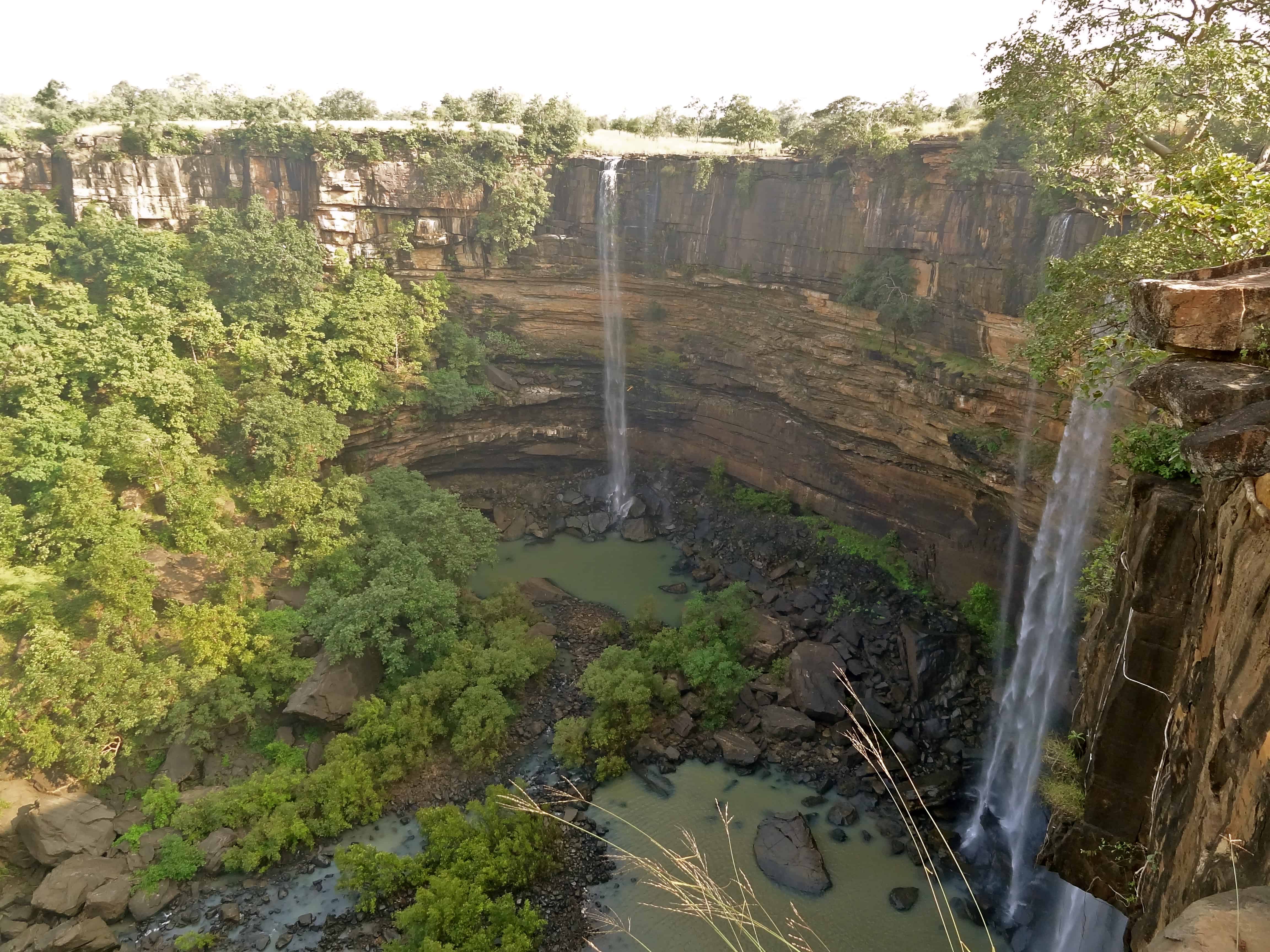
Panna National Park
Madhya Pradesh
Explore park →
Rajaji National Park
Uttarakhand
Explore park →