Indian Peafowl
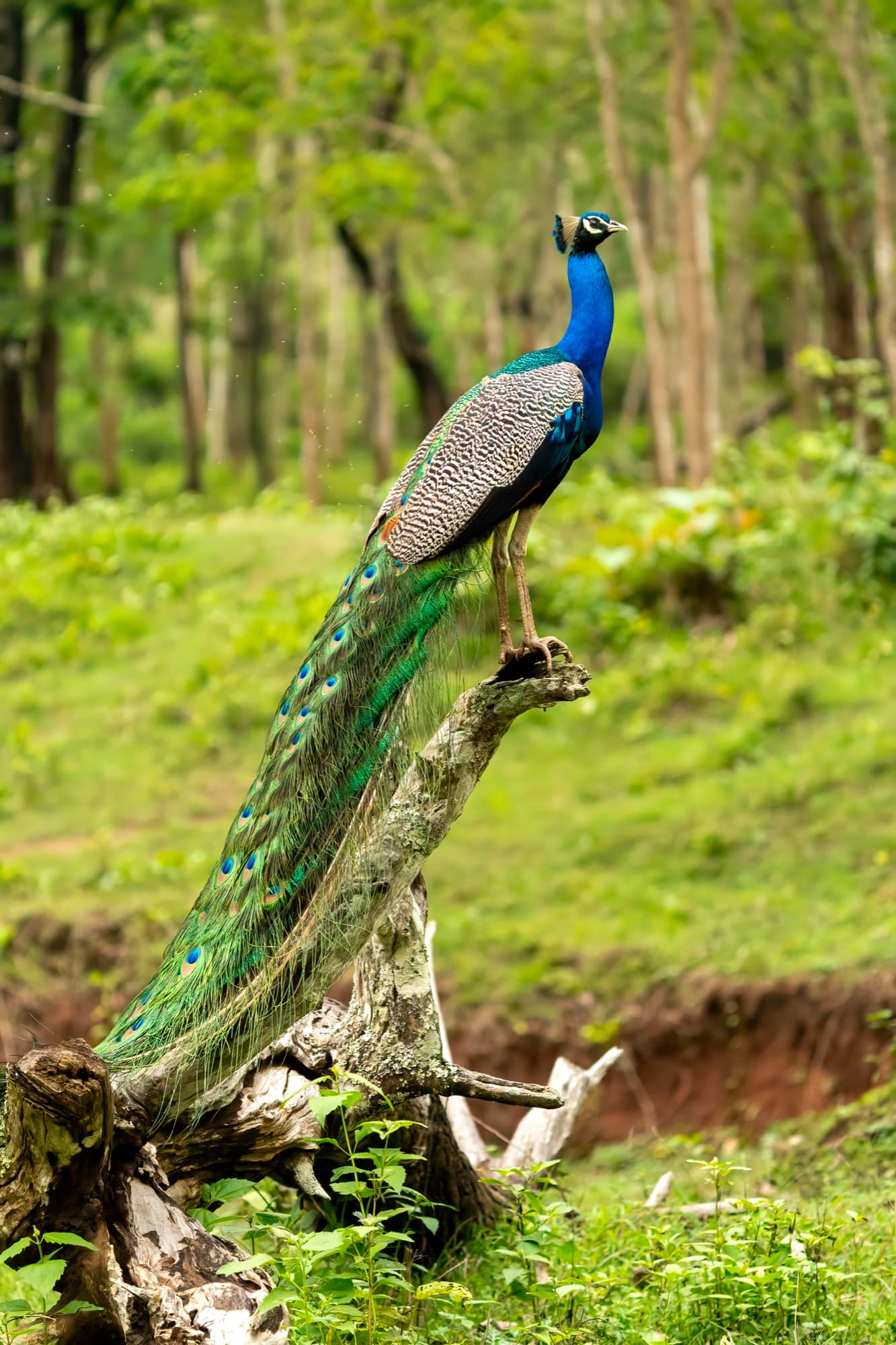
The Indian peafowl, commonly known as the peacock, is a large and brilliantly coloured bird native to the Indian subcontinent and the national bird of India. The male's extravagant iridescent tail — technically an 'upper tail covert' — can reach 1.5 metres long and is used in elaborate courtship displays. Peafowls are omnivorous and strongly associated with Indian forests, farmland, and temples.
Average Length
2.3 m (including train)
Average Weight
5 kg
Lifespan
15-20 years
Top Speed
16 km/h (running)
WildAtlas insight
Low elusiveness
This species is generally easier to observe in the wild, based on its typical traits and behavior.
Why this grade?
These are some of the biological and behavioral factors, among others, that WildAtlas considers when deriving this species level grade.
- Animal group
- Bird
- Diet
- Omnivore
- Activity
- Diurnal
- Social behavior
- Herd
This proprietary WildAtlas grade describes the animal in general and stays the same across parks. It is separate from park level insights, which depend on local conditions and data.
Quick Facts
The Indian peafowl is the national bird of India.
Only the male (peacock) has the iconic iridescent tail display feathers; females (peahens) are brown.
The elaborate train is not actually the tail but elongated upper tail covert feathers.
They are found in almost every Indian national park and are sacred in Hindu culture.
Habitat & Range
Habitats
Regions
Behavior & Reproduction
Activity Pattern
Diurnal
Social Structure
Herd
Gestation Period
28 days incubation
Litter Size
5
Predators
Tigers, Leopards, Dholes, Mongooses
Found in Parks
Where should you look for indian peafowl? Explore each park's biome, habitat, and local conditions. Population, density, and sighting trends will shape future park specific insights.
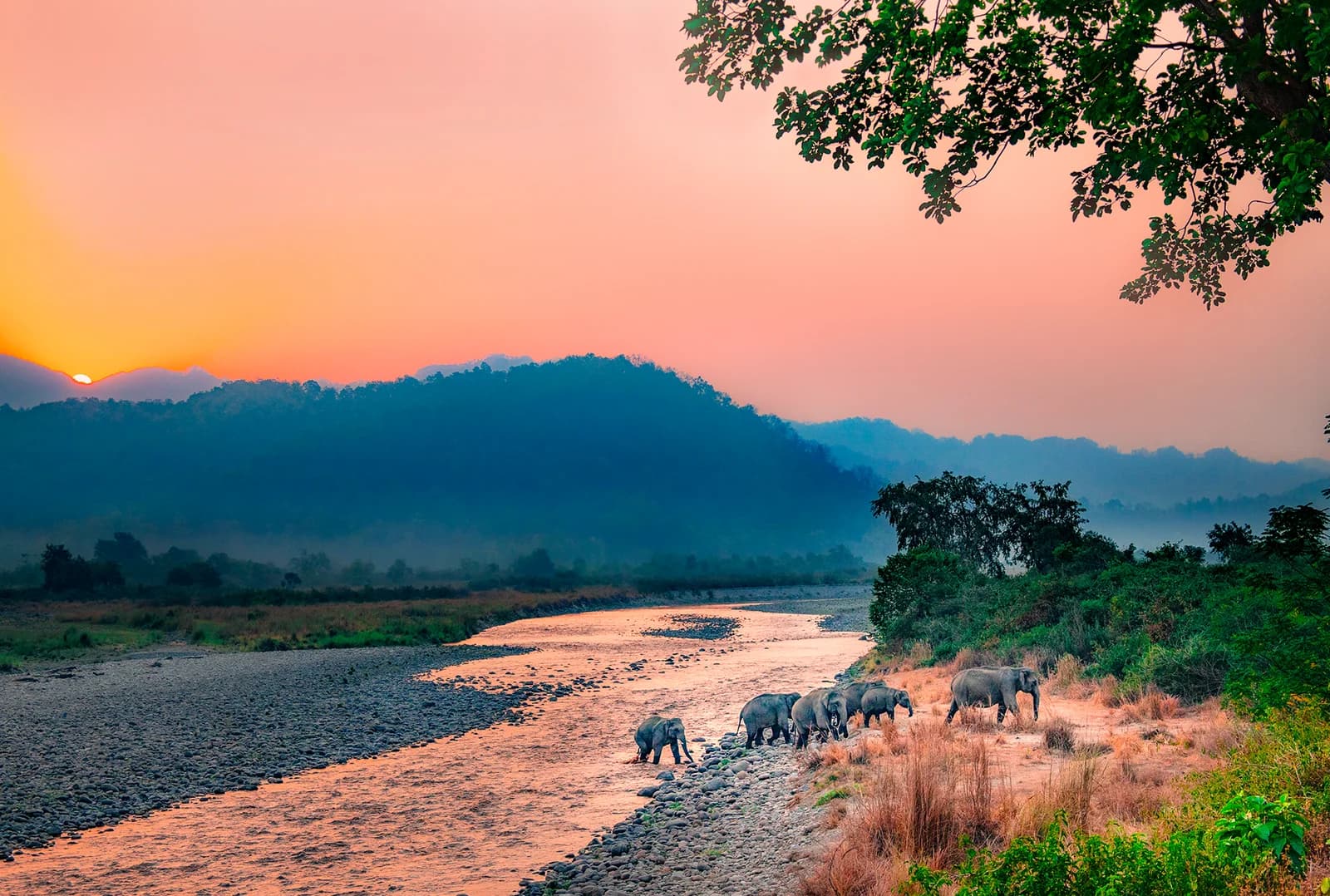
Jim Corbett National Park
Uttarakhand
Explore park →
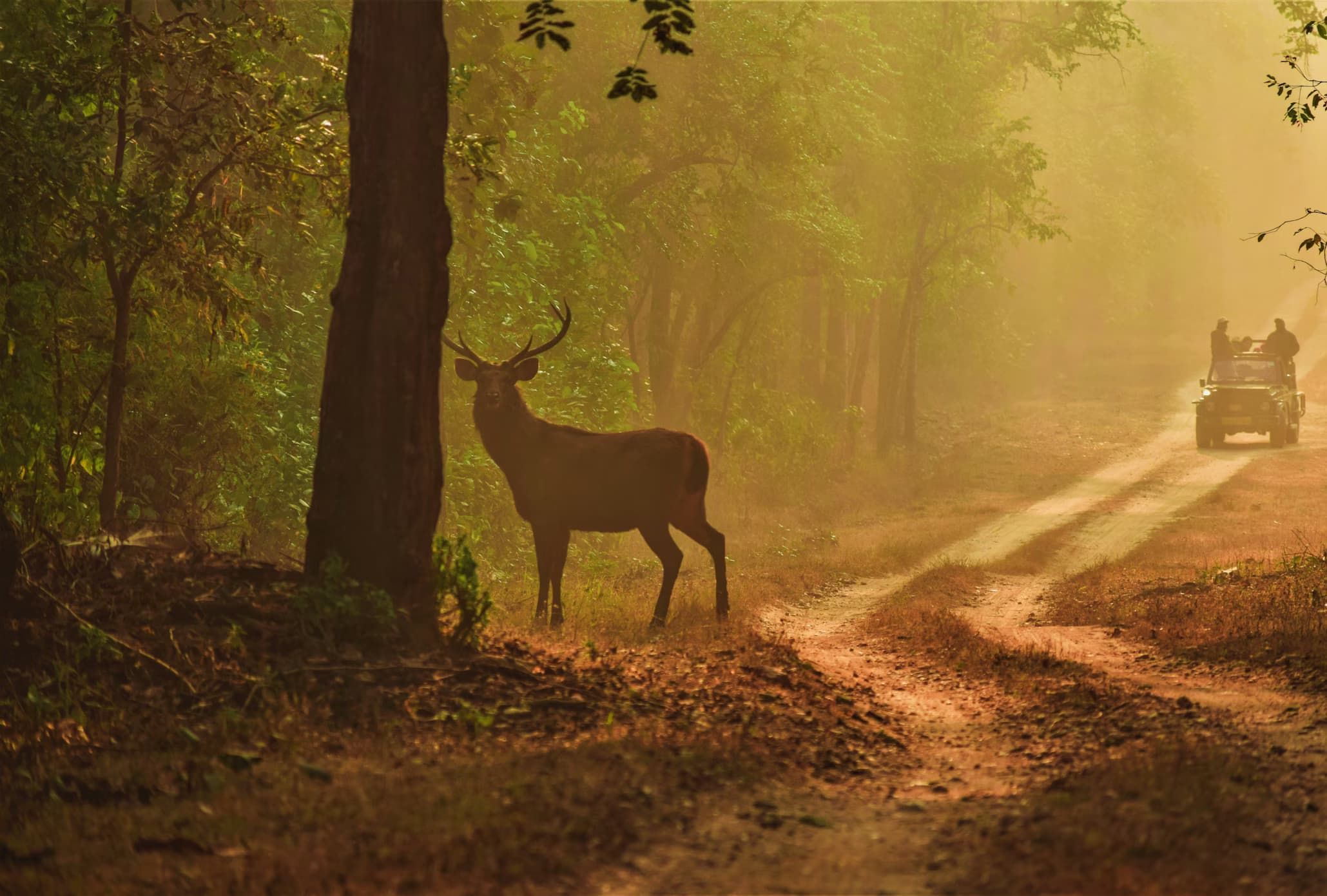
Kanha National Park
Madhya Pradesh
Explore park →
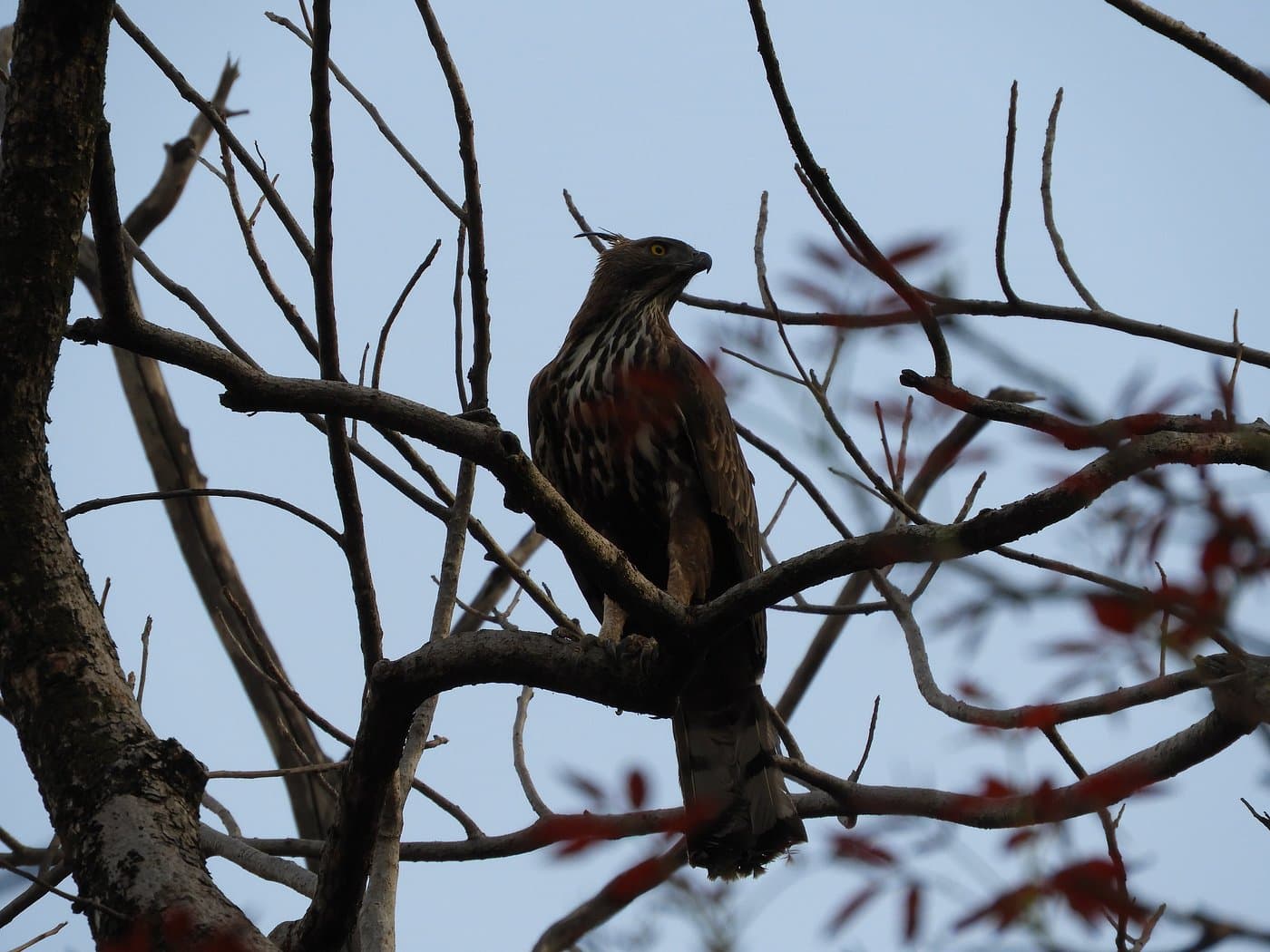
Pench National Park
Madhya Pradesh, Maharashtra
Explore park →
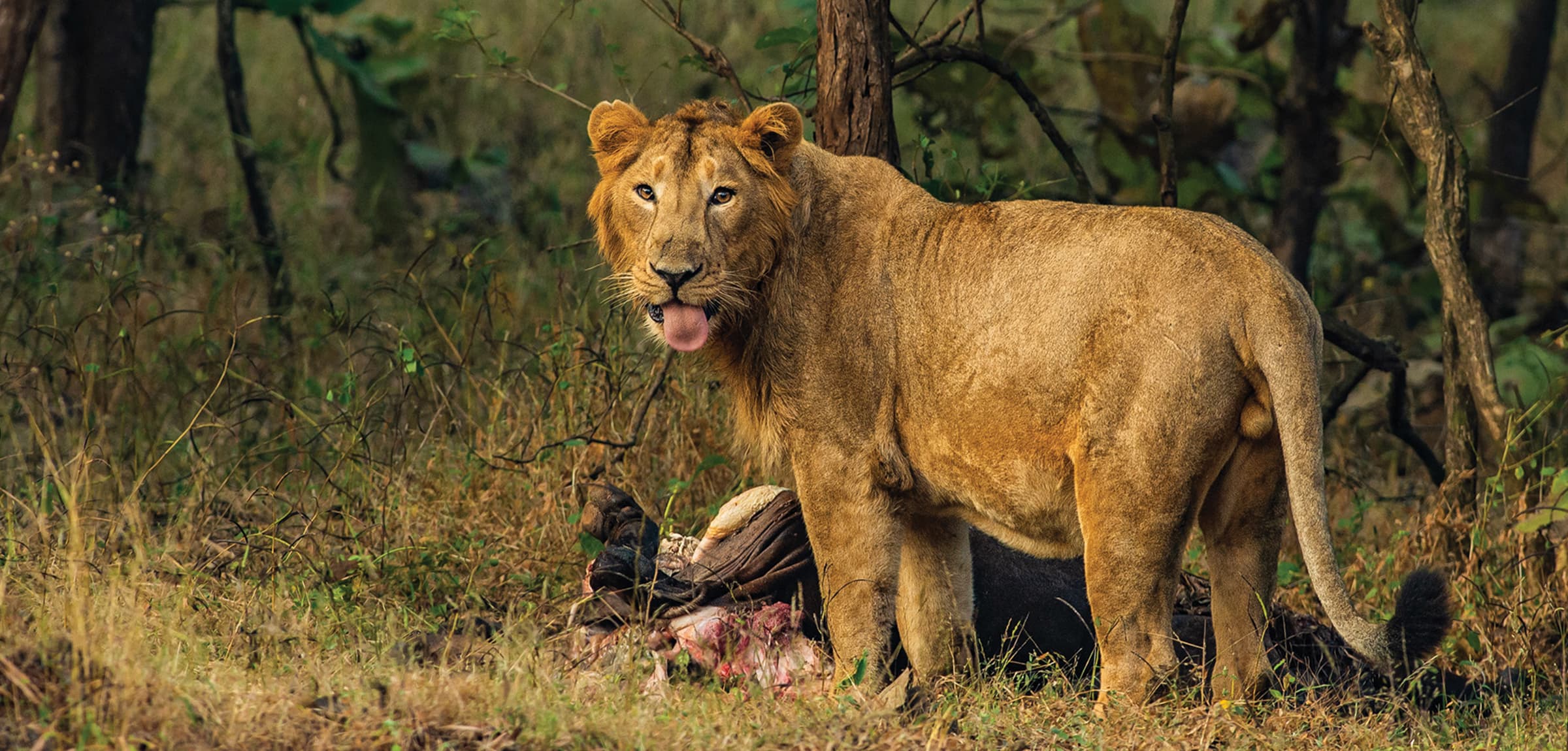
Gir National Park
Gujarat
Explore park →
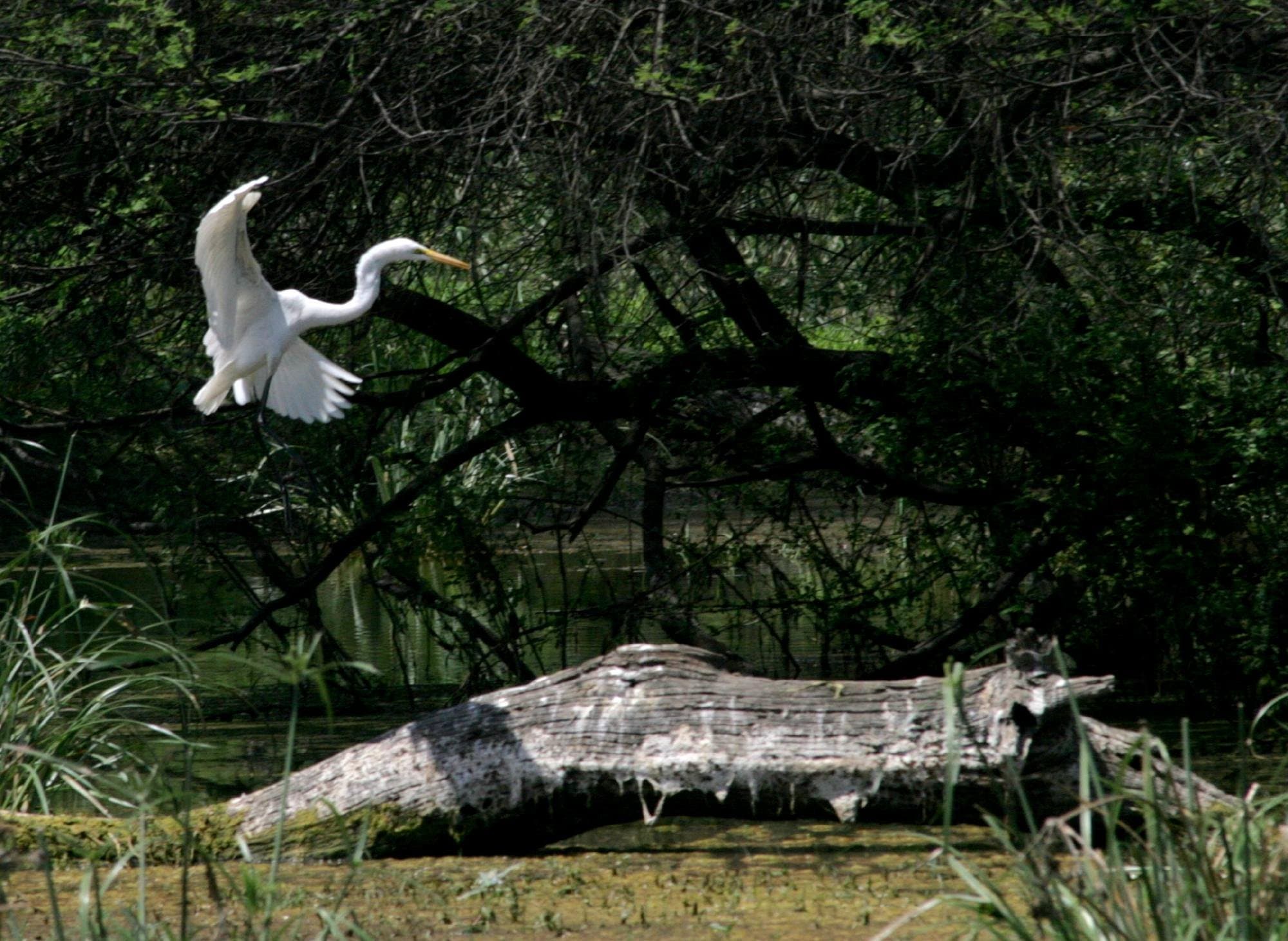
Keoladeo National Park
Rajasthan
Explore park →
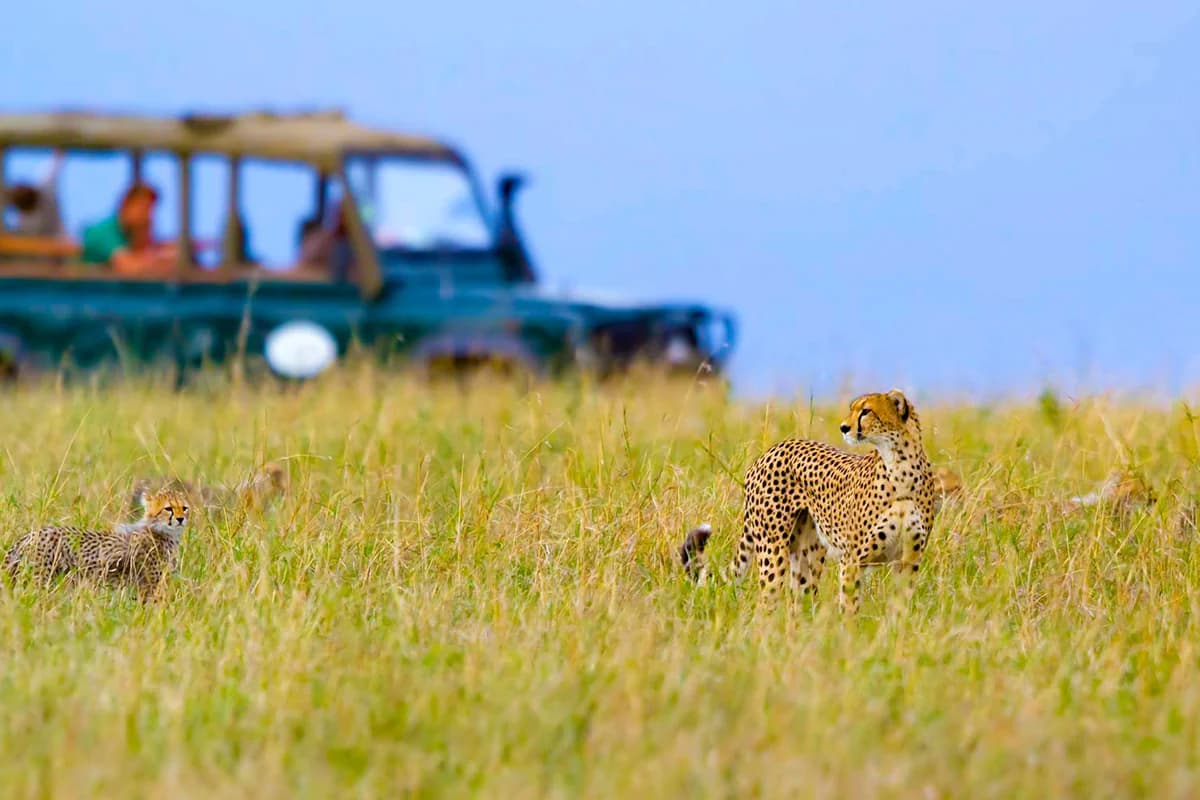
Kuno National Park
Madhya Pradesh
Explore park →
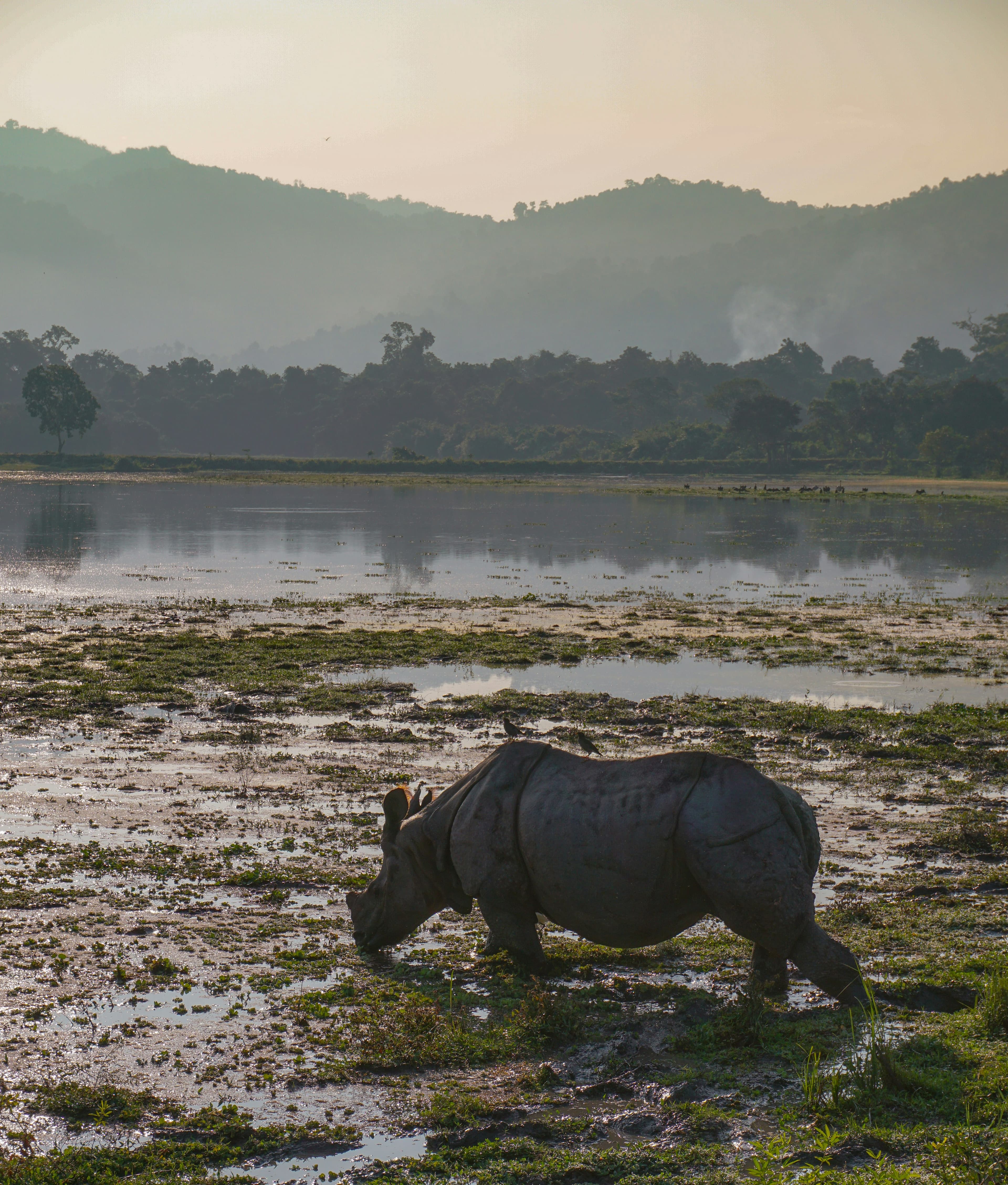
Kaziranga National Park
Assam
Explore park →
Bandhavgarh National Park
Madhya Pradesh
Explore park →