Great Indian Bustard
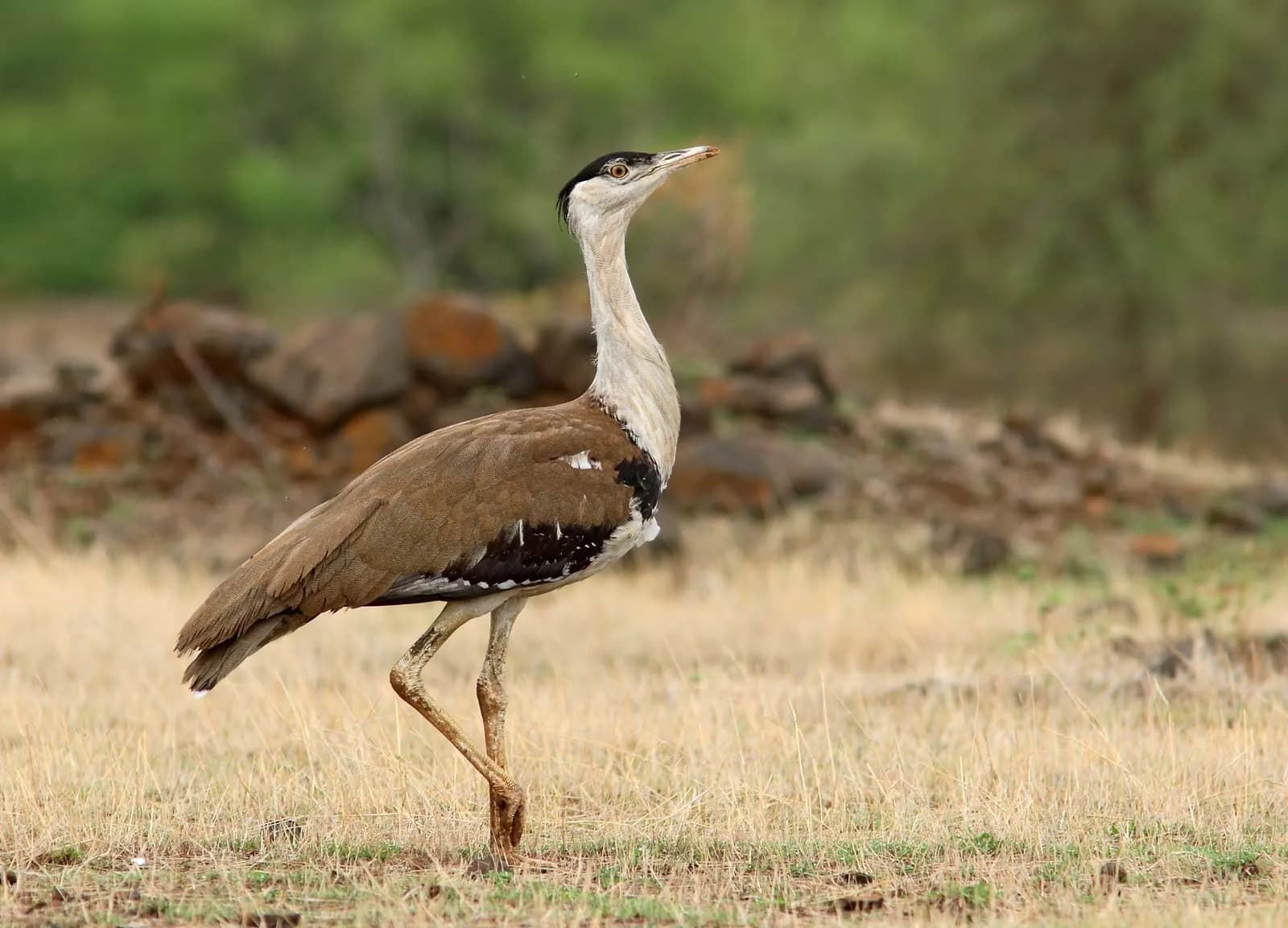
The great Indian bustard is one of the heaviest flying birds in the world and one of India's most critically endangered species, with fewer than 150 individuals remaining. A large ground-dwelling bird of the Indian grasslands and thorn scrub, it has declined catastrophically due to hunting, habitat conversion, and collision with power lines. Urgent conservation measures including captive breeding are now underway to prevent its extinction.
Average Length
1.2 m
Average Weight
15 kg
Lifespan
15-20 years
Top Speed
N/A
WildAtlas insight
High elusiveness
This species is naturally difficult to observe in the wild, even where it is known to occur.
Why this grade?
These are some of the biological and behavioral factors, among others, that WildAtlas considers when deriving this species level grade.
- Animal group
- Bird
- Diet
- Omnivore
- Activity
- Diurnal
- Social behavior
- Solitary
This proprietary WildAtlas grade describes the animal in general and stays the same across parks. It is separate from park level insights, which depend on local conditions and data.
Quick Facts
The Great Indian Bustard is one of the heaviest flying birds in the world.
Fewer than 150 individuals remain in the wild, making it critically endangered.
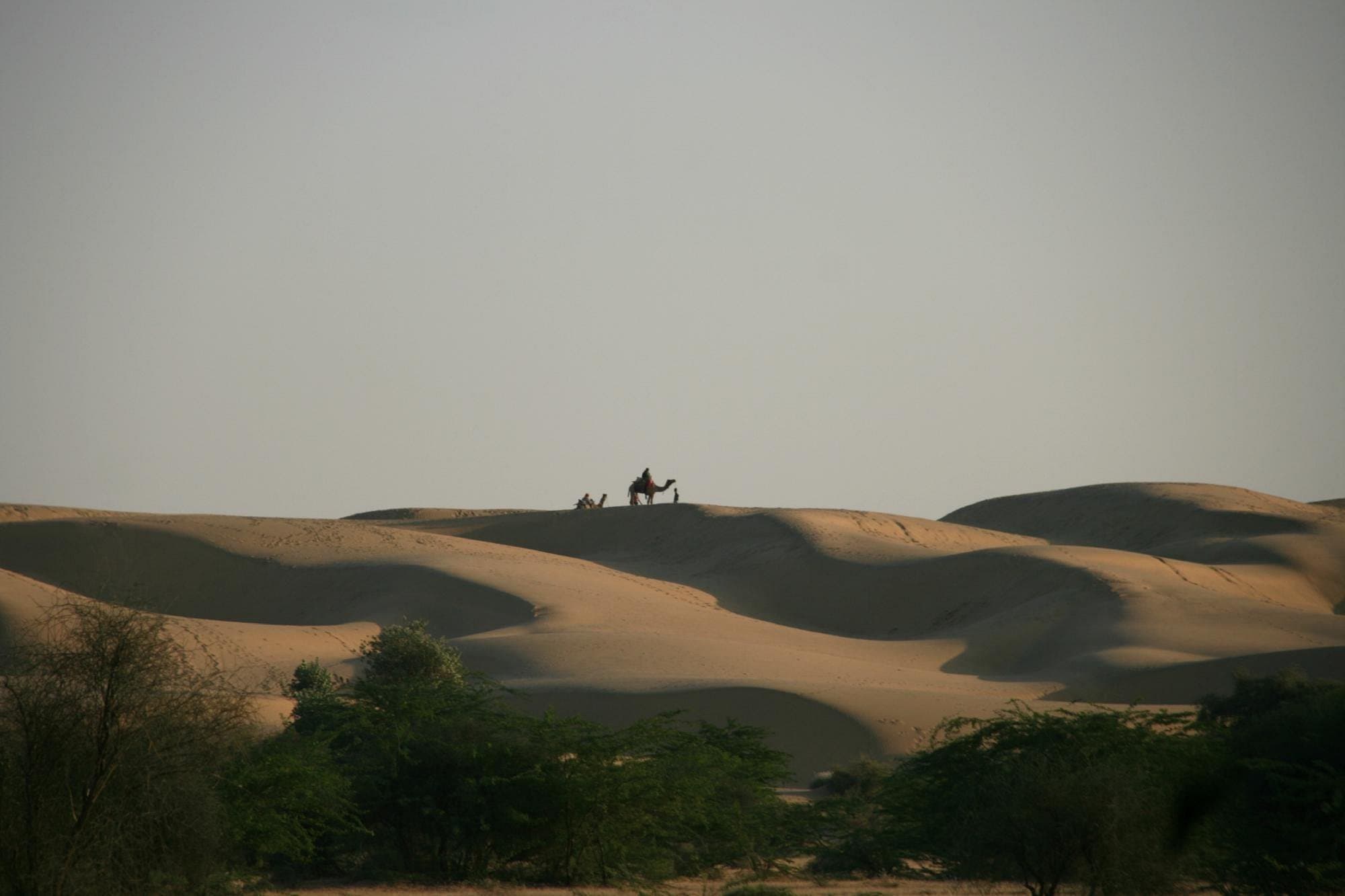
Desert National Park in Rajasthan is its last significant stronghold.
Powerlines are a major cause of death — they cannot see them in time while flying.
Habitat & Range
Habitats
Regions
Behavior & Reproduction
Activity Pattern
Diurnal
Social Structure
Solitary
Gestation Period
27 days incubation
Litter Size
1
Predators
Foxes, Jackals, Eagles, Humans

Found in Parks
Where should you look for great indian bustard? Explore each park's biome, habitat, and local conditions. Population, density, and sighting trends will shape future park specific insights.