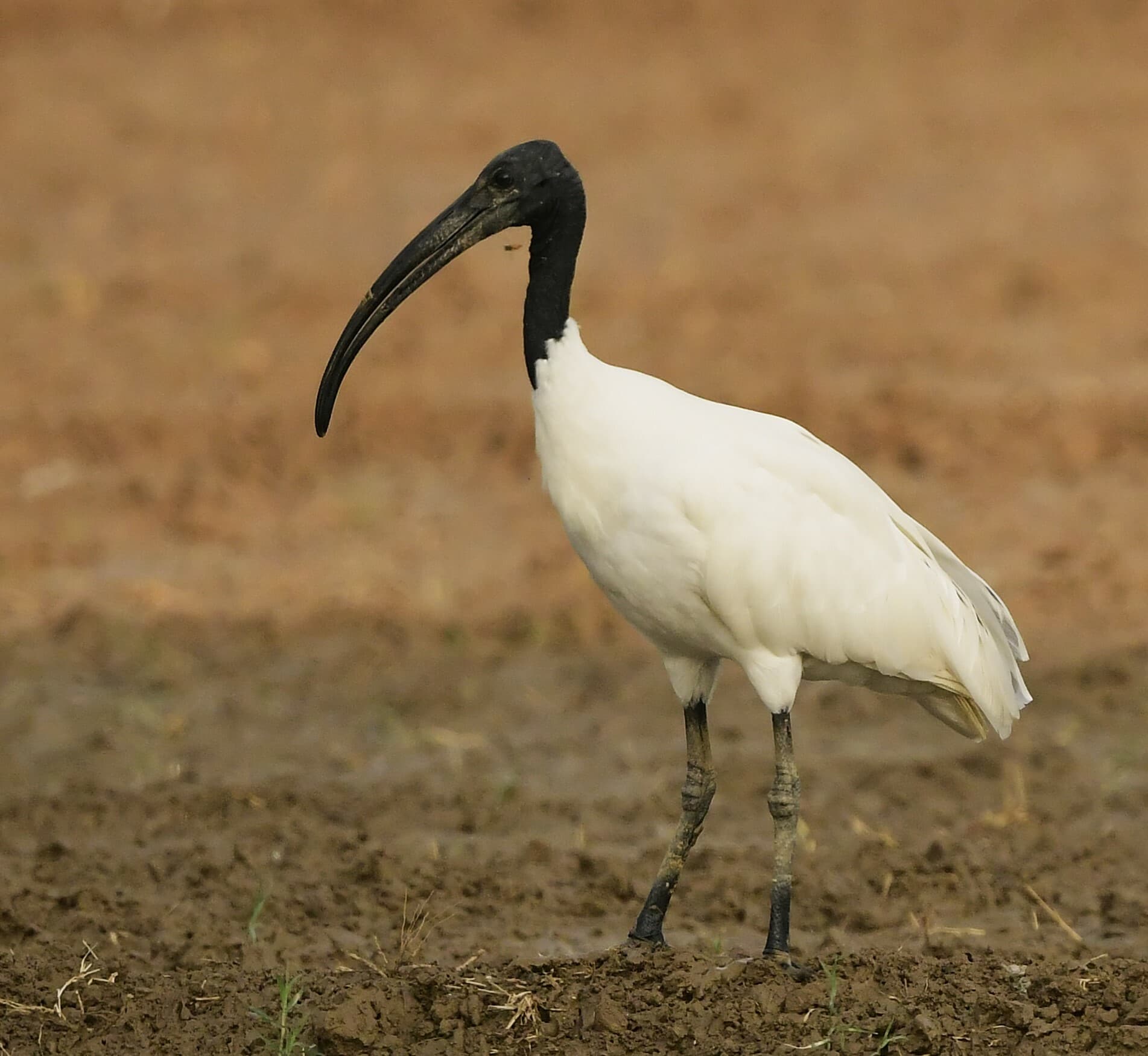
Oriental White Ibis
The Oriental white ibis, also known as the black-headed ibis, is a large wading bird found across tropical South and Southeast Asia. It is easily identified by its white plumage, bald black head, and long, downcurved black bill used to probe mud and shallow water for fish, frogs, and invertebrates. It nests in large mixed colonies in trees near wetlands and is Near Threatened due to wetland loss and hunting.
Average Length
65-76 cm
Average Weight
1.0-1.5 kg
Lifespan
15 years
Top Speed
50 km/h
WildAtlas insight
Low elusiveness
This species is generally easier to observe in the wild, based on its typical traits and behavior.
Why this grade?
These are some of the biological and behavioral factors, among others, that WildAtlas considers when deriving this species level grade.
- Animal group
- Bird
- Diet
- Carnivore
- Activity
- Diurnal
- Social behavior
- Flock
This proprietary WildAtlas grade describes the animal in general and stays the same across parks. It is separate from park level insights, which depend on local conditions and data.
Quick Facts
The oriental white ibis uses its long curved bill to probe mud and shallow water for invertebrates.
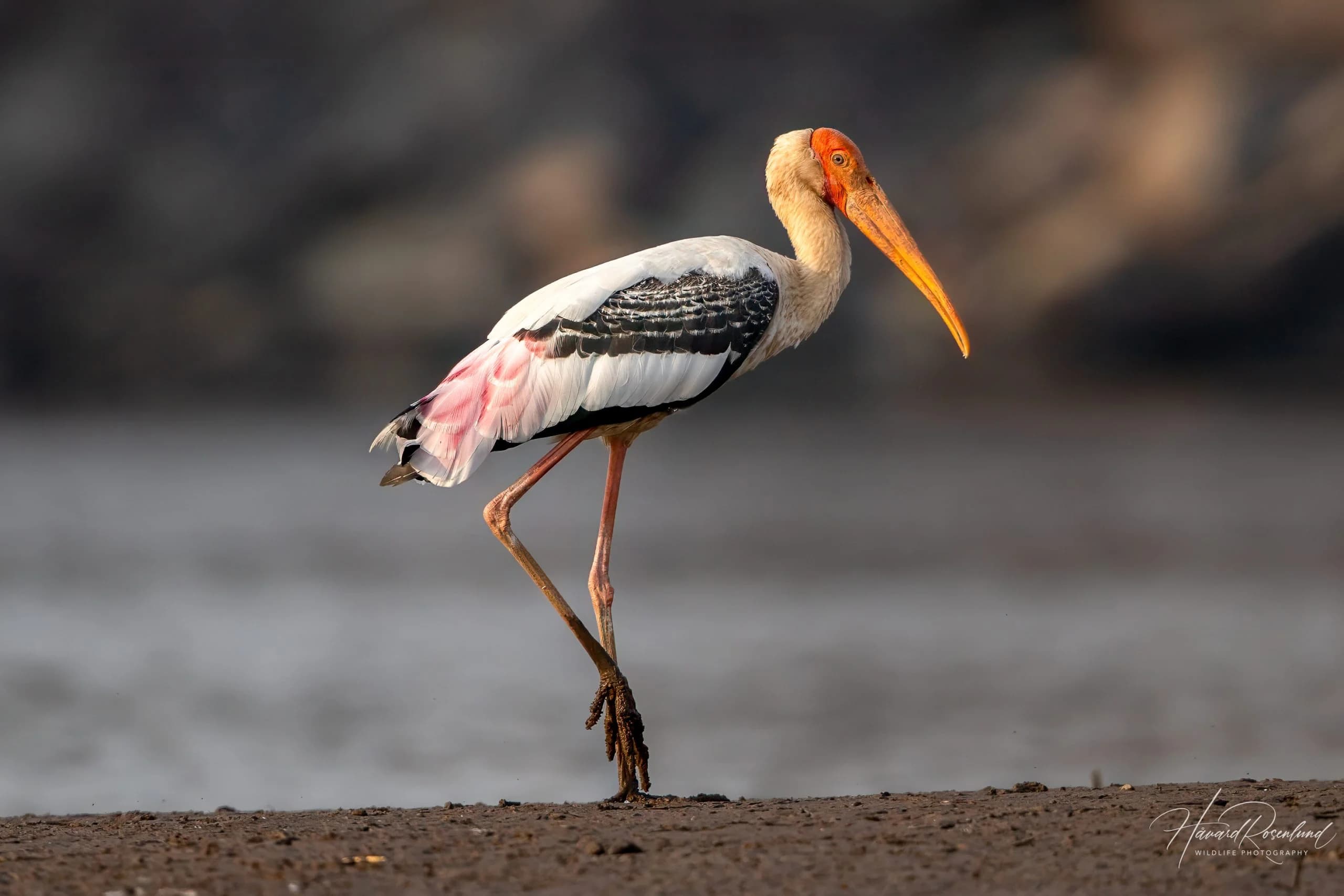
It nests colonially alongside painted storks, cormorants, and egrets.
Keoladeo National Park and Ranganathittu are major breeding sites in India.
Habitat & Range
Habitats
Regions
Behavior & Reproduction
Activity Pattern
Diurnal
Social Structure
Flock
Gestation Period
23-25 days incubation
Litter Size
3
Predators
Eagles, Large Owls, Humans

Found in Parks
Where should you look for oriental white ibis? Explore each park's biome, habitat, and local conditions. Population, density, and sighting trends will shape future park specific insights.