Gharial
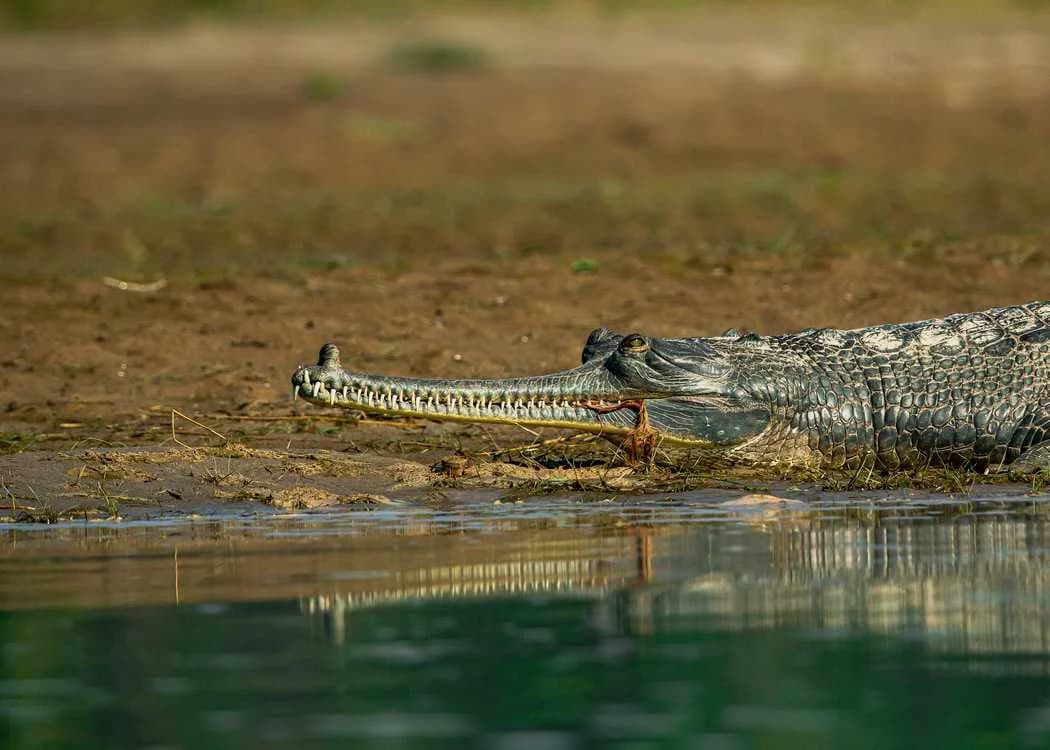
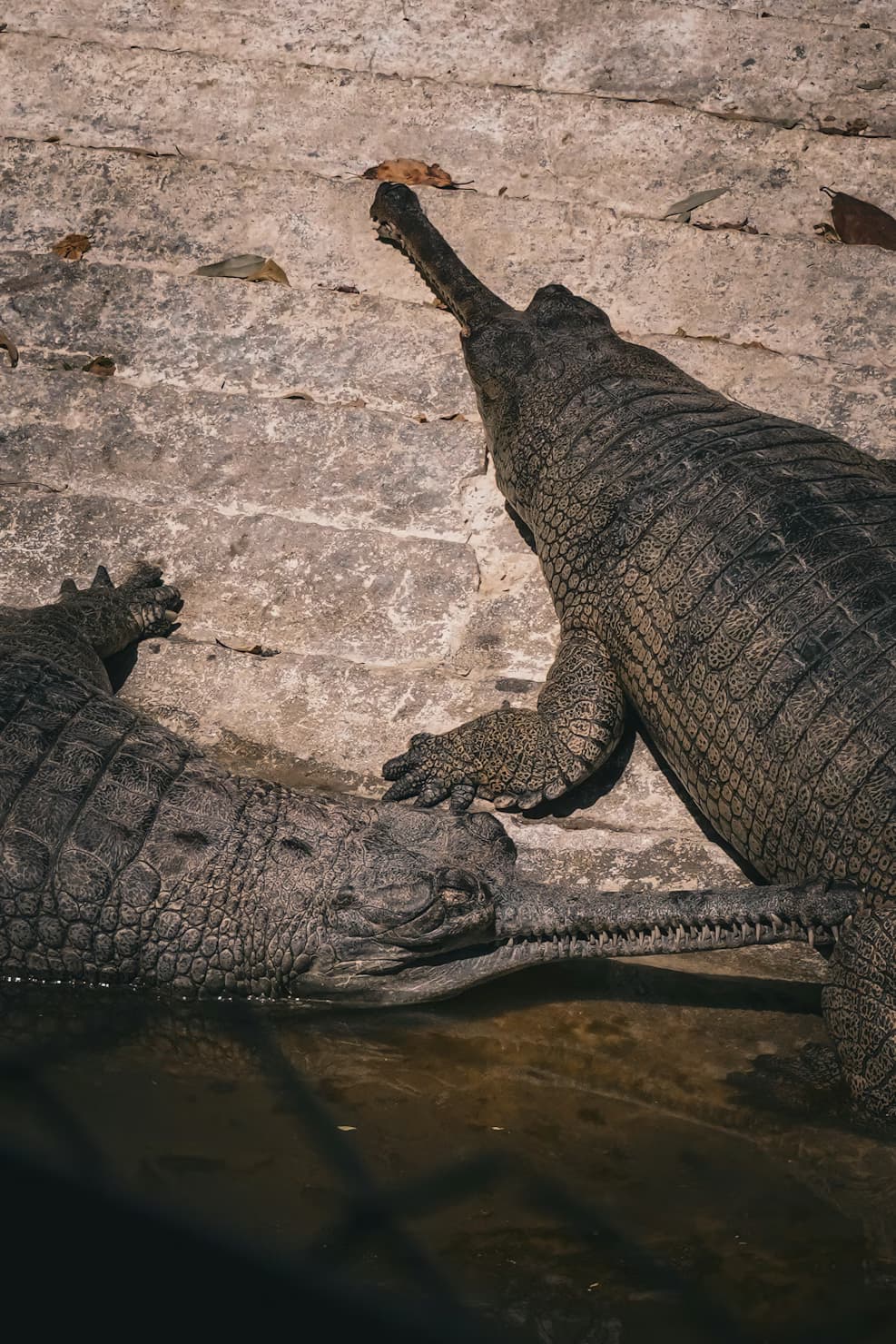
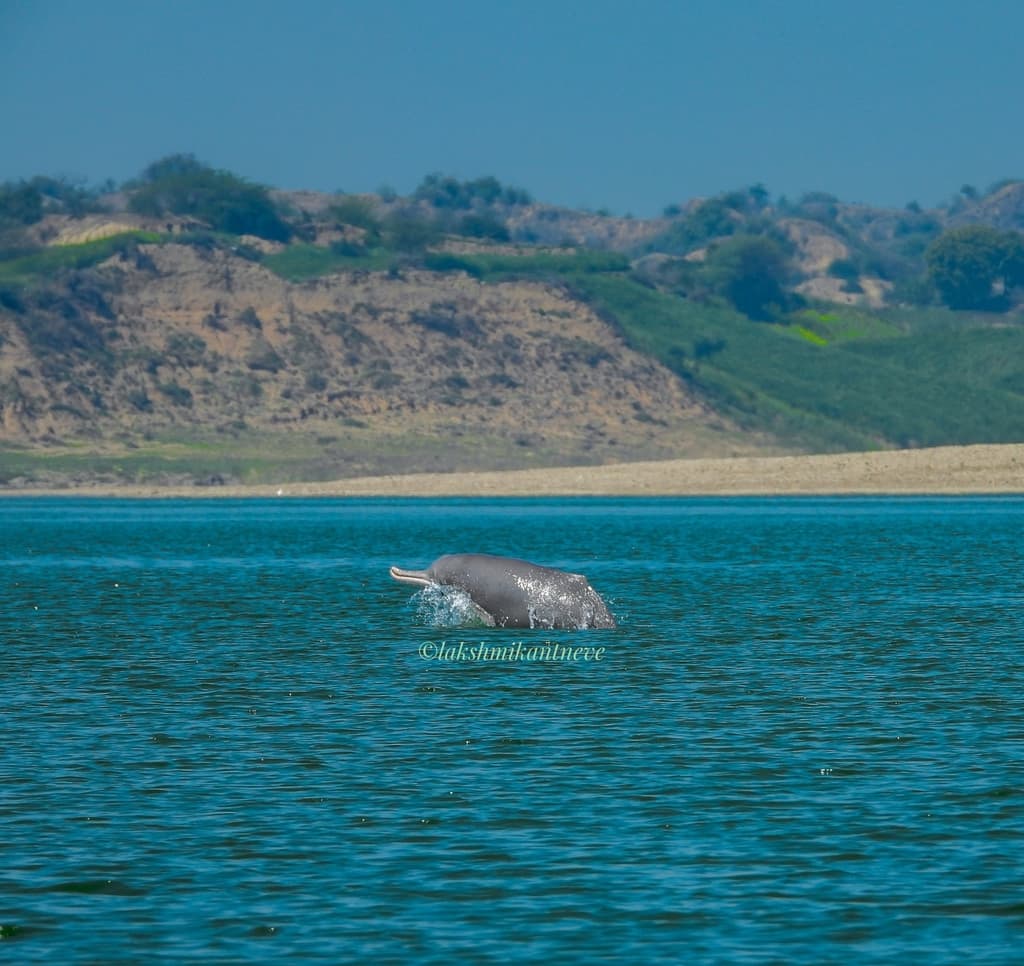
The gharial is one of the most critically endangered crocodilians in the world, with fewer than 300 mature individuals remaining in India and Nepal. Adapted to life in fast-flowing rivers with its long, narrow snout perfectly evolved for catching fish, the gharial is a specialist predator that cannot even walk on land — it can only push itself on its belly. Captive breeding and release programmes are the primary tool in its fight for survival.
Average Length
5.0 m
Average Weight
160 kg
Lifespan
60 years
Top Speed
N/A
WildAtlas insight
Medium elusiveness
Spotting this species in the wild may take some patience, based on its typical traits and behavior.
Why this grade?
These are some of the biological and behavioral factors, among others, that WildAtlas considers when deriving this species level grade.
- Animal group
- Reptile
- Diet
- Carnivore
- Activity
- Diurnal
- Social behavior
- Solitary
This proprietary WildAtlas grade describes the animal in general and stays the same across parks. It is separate from park level insights, which depend on local conditions and data.
Quick Facts
The gharial has the most specialised snout of any crocodilian — long and slender for catching fish.
Males develop a bulbous nasal growth called a ghara, used for communication and display.
Fewer than 1,000 adults remain in the wild; the Ken and Chambal rivers are their strongholds.
Panna National Park's Ken River supports a recovering gharial population.
Habitat & Range
Habitats
Regions
Behavior & Reproduction
Activity Pattern
Diurnal
Social Structure
Solitary
Gestation Period
60-80 days incubation
Litter Size
35
Predators
Humans
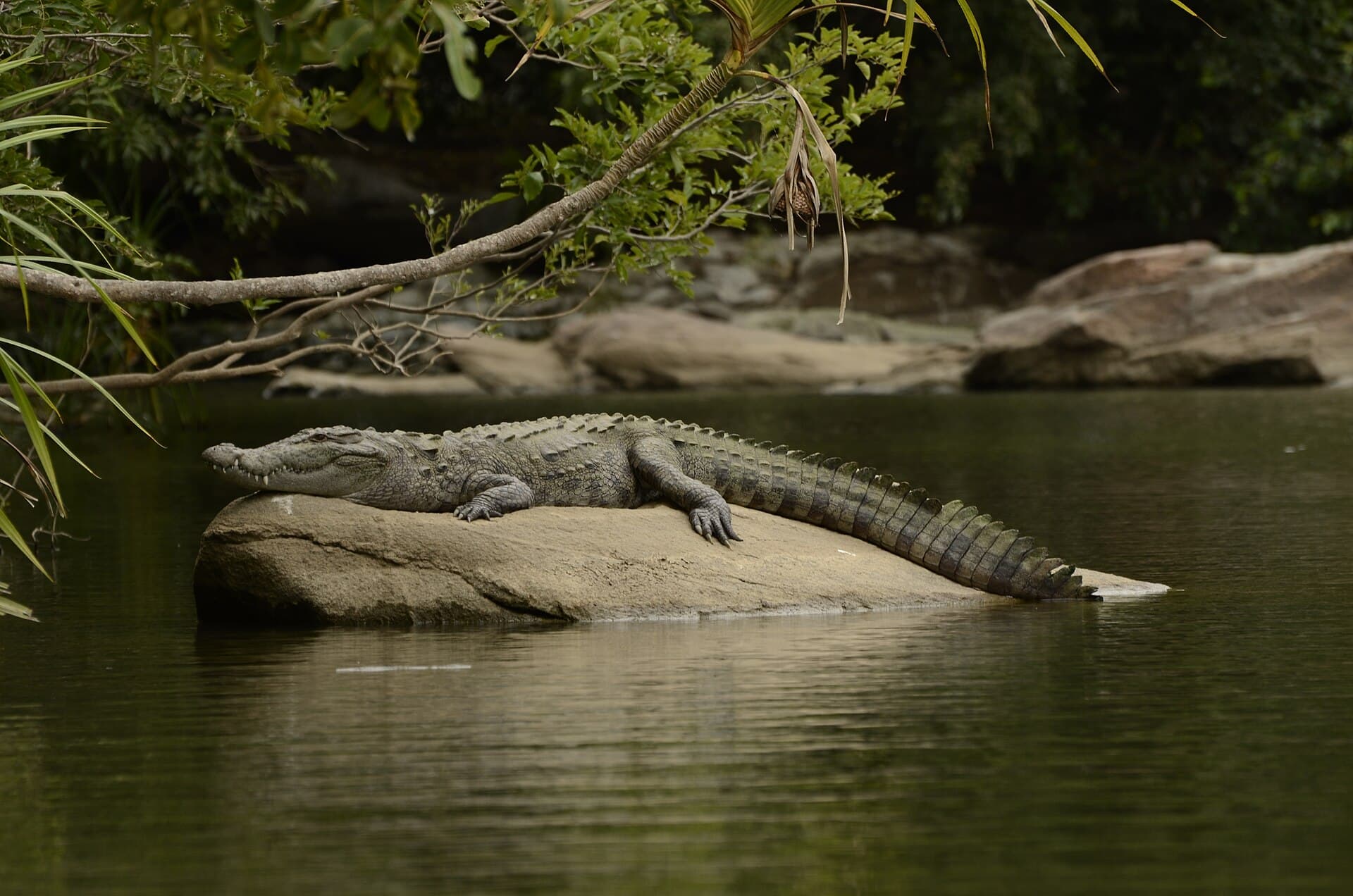
Found in Parks
Where should you look for gharial? Explore each park's biome, habitat, and local conditions. Population, density, and sighting trends will shape future park specific insights.