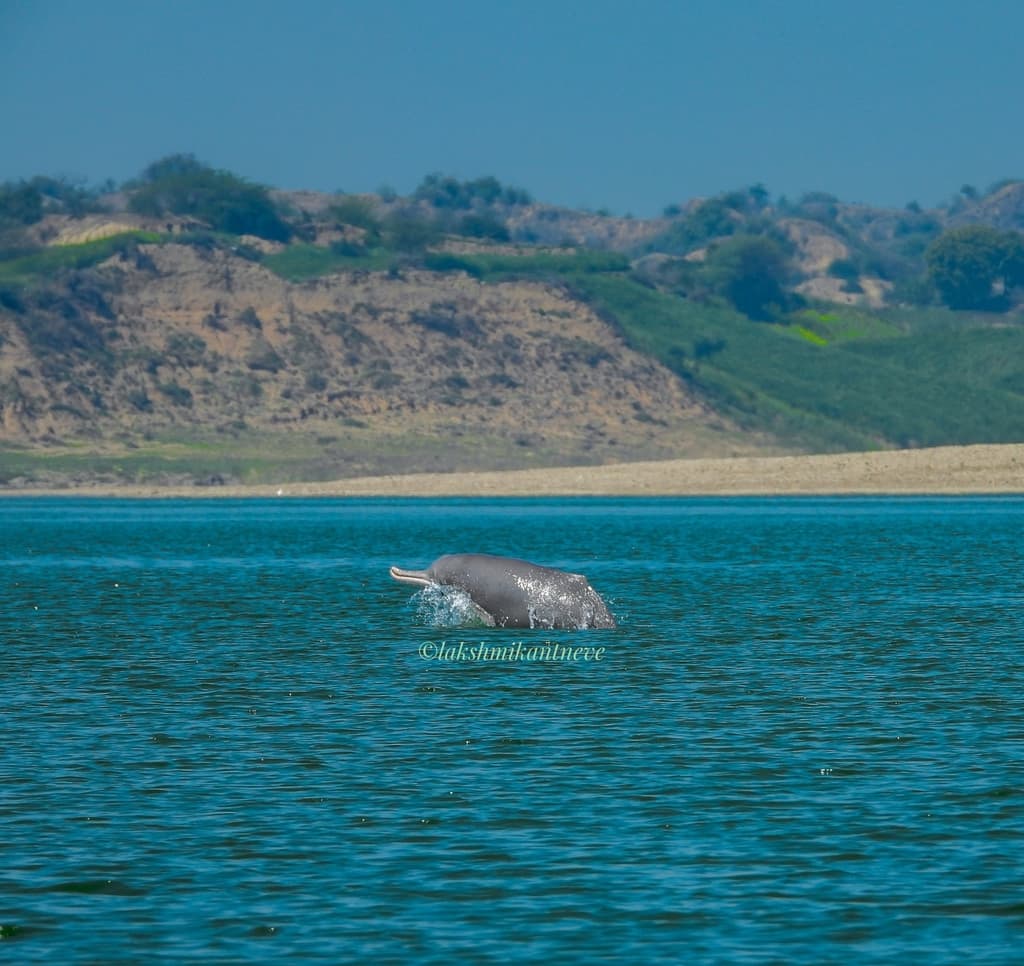
Gangetic Dolphin
The Ganges river dolphin, also known as the susu, is one of the world's few freshwater dolphin species and the national aquatic animal of India. Nearly blind due to poorly developed eyes, it navigates and hunts entirely by echolocation in the murky waters of the Ganges-Brahmaputra river system. Listed as Endangered, it faces threats from river pollution, dams, fishing nets, and sand mining which degrade its riverine habitat.
Average Length
200-260 cm
Average Weight
70-90 kg
Lifespan
28 years
Top Speed
30 km/h
WildAtlas insight
High elusiveness
This species is naturally difficult to observe in the wild, even where it is known to occur.
Why this grade?
These are some of the biological and behavioral factors, among others, that WildAtlas considers when deriving this species level grade.
- Animal group
- Mammal
- Diet
- Carnivore
- Activity
- Diurnal
- Social behavior
- Solitary
This proprietary WildAtlas grade describes the animal in general and stays the same across parks. It is separate from park level insights, which depend on local conditions and data.
Quick Facts
The Gangetic dolphin is India's national aquatic animal.
It is functionally blind — its eyes have no lens and can only detect light direction.
It navigates entirely by echolocation, emitting ultrasonic clicks to detect prey.
Valmiki Tiger Reserve and the Chambal river are important habitats.
Habitat & Range
Habitats
Regions
Behavior & Reproduction
Activity Pattern
Diurnal
Social Structure
Solitary
Gestation Period
9-11 months
Litter Size
1
Predators
Humans
Found in Parks
Where should you look for gangetic dolphin? Explore each park's biome, habitat, and local conditions. Population, density, and sighting trends will shape future park specific insights.