Asiatic-Black-Bear-Ursus
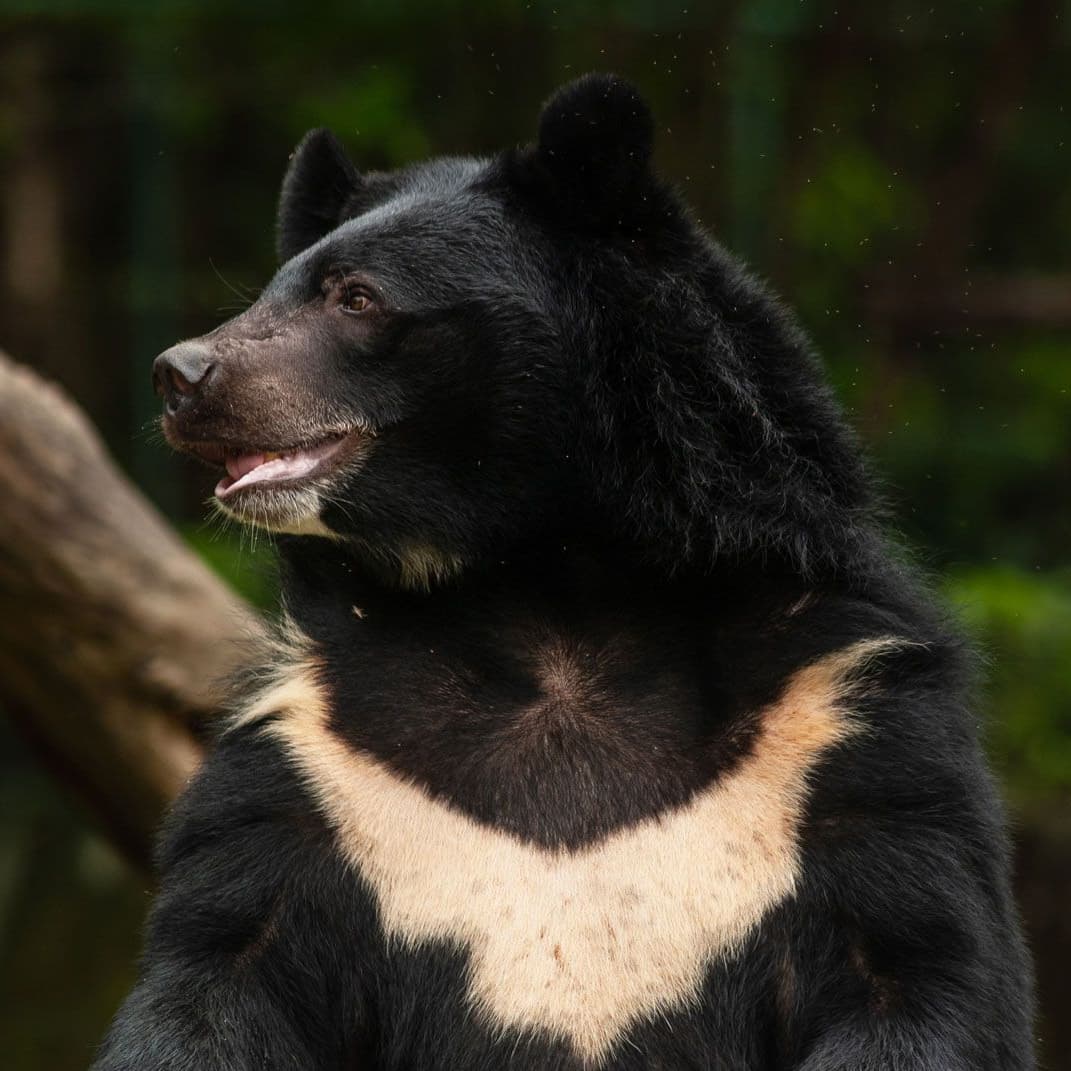
The Asiatic black bear, also known as the moon bear for the distinctive white crescent marking on its chest, is a medium-sized bear native to the forests of Asia from Iran to Japan. It is primarily herbivorous but is an opportunistic omnivore, and is notorious for its aggressive behaviour when encountered by humans. It is listed as Vulnerable due to hunting for its bile — used in traditional medicine — and habitat loss.
Average Length
1.7 m
Average Weight
135 kg
Lifespan
25 years
Top Speed
40 km/h
WildAtlas insight
High elusiveness
This species is naturally difficult to observe in the wild, even where it is known to occur.
Why this grade?
These are some of the biological and behavioral factors, among others, that WildAtlas considers when deriving this species level grade.
- Animal group
- Mammal
- Diet
- Omnivore
- Activity
- Nocturnal
- Social behavior
- Solitary
This proprietary WildAtlas grade describes the animal in general and stays the same across parks. It is separate from park level insights, which depend on local conditions and data.
Quick Facts
The Asiatic black bear has a distinctive white or cream V-shaped chest marking.
They are expert climbers and spend considerable time in trees foraging for fruits and nuts.
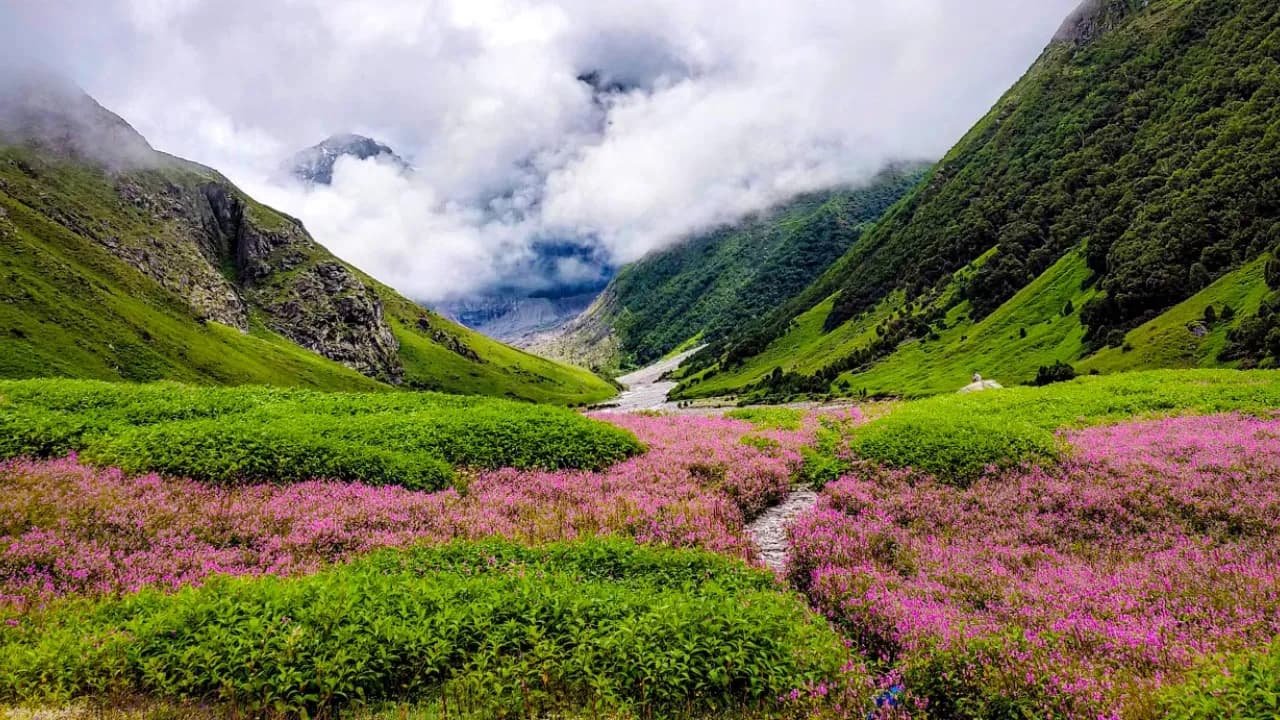
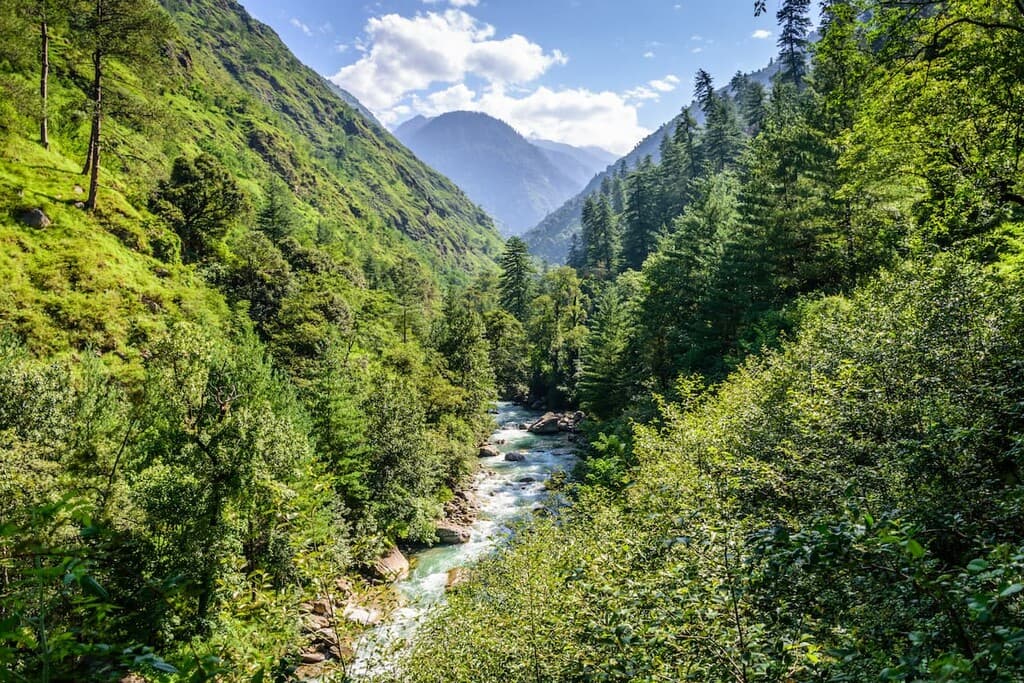
Found in Namdapha, Valley of Flowers, and throughout the Himalayan belt in India.
They hibernate in colder parts of their range but in India's lower ranges may remain active year-round.
Habitat & Range
Habitats
Regions
Behavior & Reproduction
Activity Pattern
Nocturnal
Social Structure
Solitary
Gestation Period
7-8 months
Litter Size
2
Predators
Tigers, Humans
Found in Parks
Where should you look for asiatic black bear? Explore each park's biome, habitat, and local conditions. Population, density, and sighting trends will shape future park specific insights.