Indian Vulture
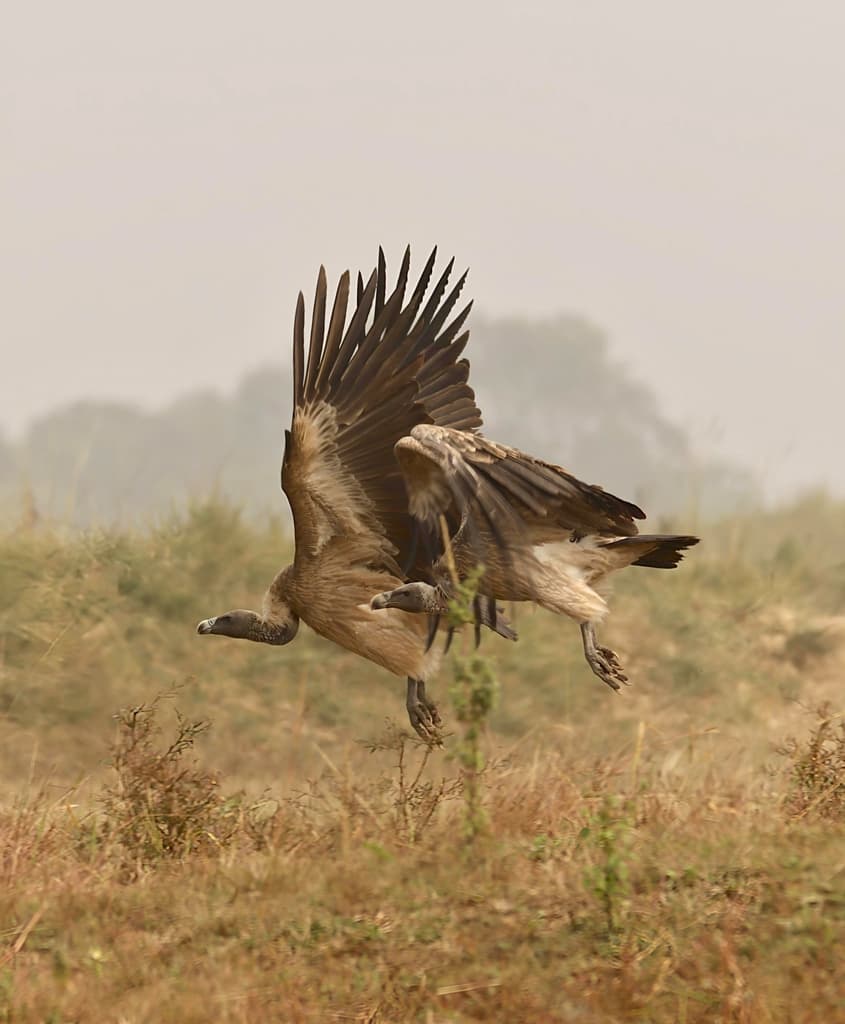
The Indian vulture is a large Old World vulture formerly abundant across the Indian subcontinent that underwent one of the most rapid population collapses in wildlife history — losing over 97% of its population within a decade in the 1990s. The cause was traced to diclofenac, a veterinary anti-inflammatory drug that causes fatal kidney failure in vultures that consume treated carcasses. Conservation measures including a diclofenac ban and captive breeding programmes have begun to stabilise numbers.
Average Length
1.0 m
Average Weight
6.3 kg
Lifespan
40 years
Top Speed
N/A
WildAtlas insight
Medium elusiveness
Spotting this species in the wild may take some patience, based on its typical traits and behavior.
Why this grade?
These are some of the biological and behavioral factors, among others, that WildAtlas considers when deriving this species level grade.
- Animal group
- Bird
- Diet
- Carnivore
- Activity
- Diurnal
- Social behavior
- Flock
This proprietary WildAtlas grade describes the animal in general and stays the same across parks. It is separate from park level insights, which depend on local conditions and data.
Quick Facts
Indian vulture populations crashed by over 99% in the 1990s due to the veterinary drug diclofenac.
They are critical ecosystem cleaners, consuming carcasses and preventing disease spread.
Panna National Park holds one of India's largest surviving breeding colonies.
Diclofenac is now banned in India but vulture numbers are recovering extremely slowly.
Habitat & Range
Habitats
Regions
Behavior & Reproduction
Activity Pattern
Diurnal
Social Structure
Flock
Gestation Period
55 days incubation
Litter Size
1
Predators
Humans
Found in Parks
Where should you look for indian vulture? Explore each park's biome, habitat, and local conditions. Population, density, and sighting trends will shape future park specific insights.