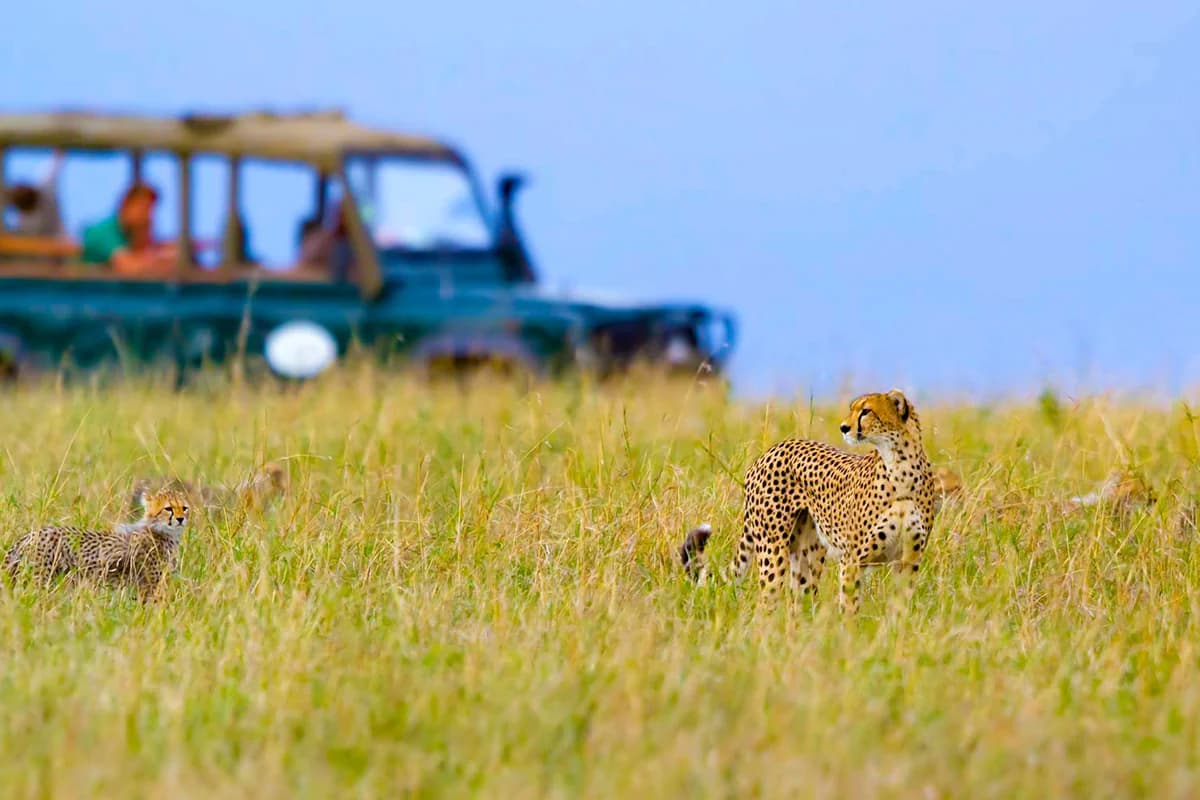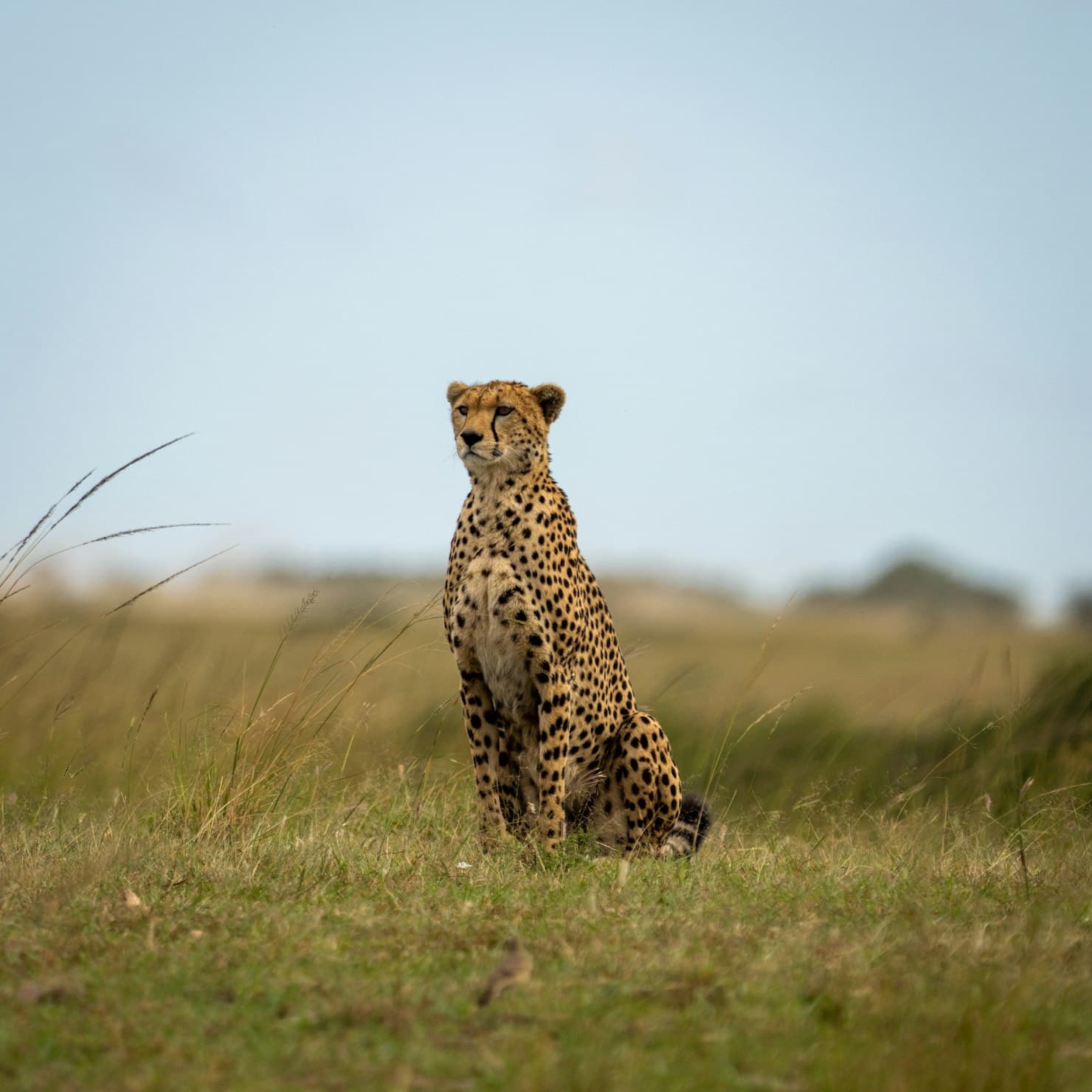
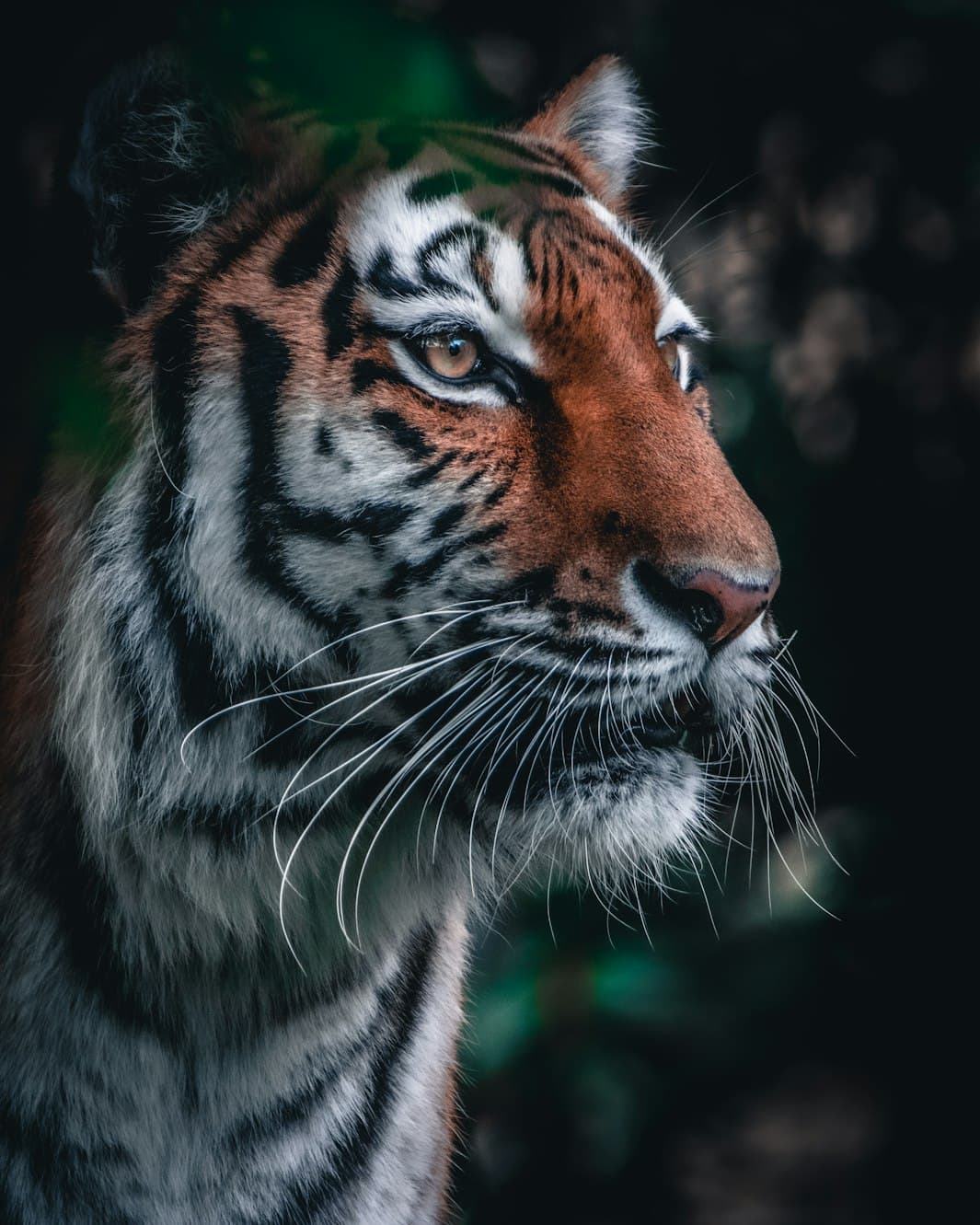
Cheetah in natural habitat
The cheetah is the world's fastest land animal and one of the most distinctive big cats, recognised by its slender build, deep-keeled chest, and black tear stripes running from eye to mouth. Once widespread across India, the species was declared extinct in the country in 1952. In a landmark conservation effort, African cheetahs were reintroduced at Kuno National Park in Madhya Pradesh in 2022, giving the species a second chance on the Indian subcontinent.
Average Length
1.1–1.5 m
Average Weight
21–72 kg
Lifespan
10–12 years
Top Speed
112 km/h
WildAtlas insight
Medium elusiveness
Spotting this species in the wild may take some patience, based on its typical traits and behavior.
Why this grade?
These are some of the biological and behavioral factors, among others, that WildAtlas considers when deriving this species level grade.
- Animal group
- Mammal
- Diet
- Carnivore
- Activity
- Diurnal
- Social behavior
- Solitary
This proprietary WildAtlas grade describes the animal in general and stays the same across parks. It is separate from park level insights, which depend on local conditions and data.
Quick Facts
The cheetah is the fastest land animal on Earth, capable of reaching 112 km/h in short bursts.
Unlike other big cats, cheetahs cannot roar — they chirp, purr, and yelp.
India reintroduced African cheetahs at Kuno National Park in September 2022, the first intercontinental wild carnivore translocation in history.
Cheetahs went extinct in India in 1952 before the reintroduction programme.
Habitat & Range
Habitats
Regions
Behavior & Reproduction
Activity Pattern
Diurnal
Social Structure
Solitary
Gestation Period
90–98 days
Litter Size
3
Predators
Lions, Leopards, Humans
Found in Parks
Where should you look for cheetah? Explore each park's biome, habitat, and local conditions. Population, density, and sighting trends will shape future park specific insights.